
If you’ve ever dreamed of uncovering the secrets of ancient civilizations, Machu Picchu, often referred to as the “Lost City of the Incas,” should be at the top of your travel list. Nestled high in the Andes Mountains of Peru, this UNESCO World Heritage site is not just a historical marvel. In fact is a breathtaking adventure that promises rich cultural insights and stunning photographic opportunities. The allure of Machu Picchu goes beyond its mysterious past; it embodies the resilience and ingenuity of the Inca civilization.
Visiting Machu Picchu is more than just a trip to a historic site. It is an immersive experience that connects travelers to a bygone era. As you walk through the ruins, you can almost hear the whispers of history echoing through the stone walls. The site’s enigmatic aura is enhanced by the stunning vistas of the surrounding mountains and valleys. Every corner of Machu Picchu tells a story, inviting you to step back in time and explore the fascinating world of the Incas.
Machu Picchu is an architectural masterpiece, with its terraces, stone structures, and steep staircases. The site was built in the 15th century under the reign of Inca Emperor Pachacuti. Despite its remote location, Machu Picchu was ingeniously designed with sophisticated water management systems and agricultural terraces, showcasing the Incas’ advanced engineering skills.
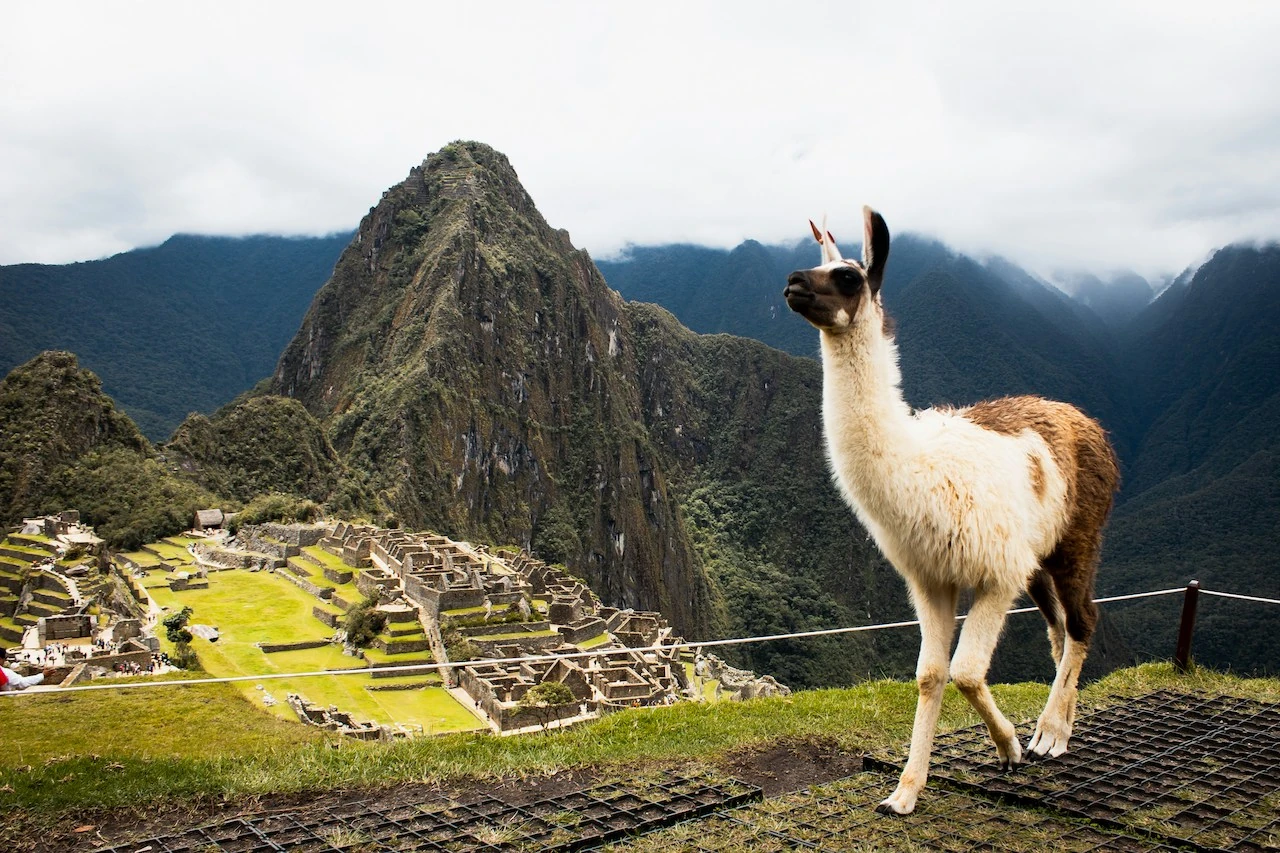
The location of Machu Picchu adds to its mystique. Perched on a mountain ridge 7,970 feet above sea level, it offers panoramic views of the lush Urubamba Valley. The site’s strategic position also suggests that it may have held spiritual significance, aligning with important celestial events. Visitors today can explore various sectors of the site. Each with its unique features, from the agricultural area to the urban sector.
Before you embark on your journey to Machu Picchu, the Sacred Valley is a must-visit. This fertile region, also known as the Urubamba Valley, was one of the Inca Empire’s primary regions for agriculture, and it continues to thrive today. The valley’s rich soil and temperate climate made it an ideal location for growing crops, which were crucial to the sustenance of the Inca civilization. Today, the Sacred Valley is a vibrant area that offers a glimpse into the traditional Andean lifestyle, with its quaint villages and bustling markets.
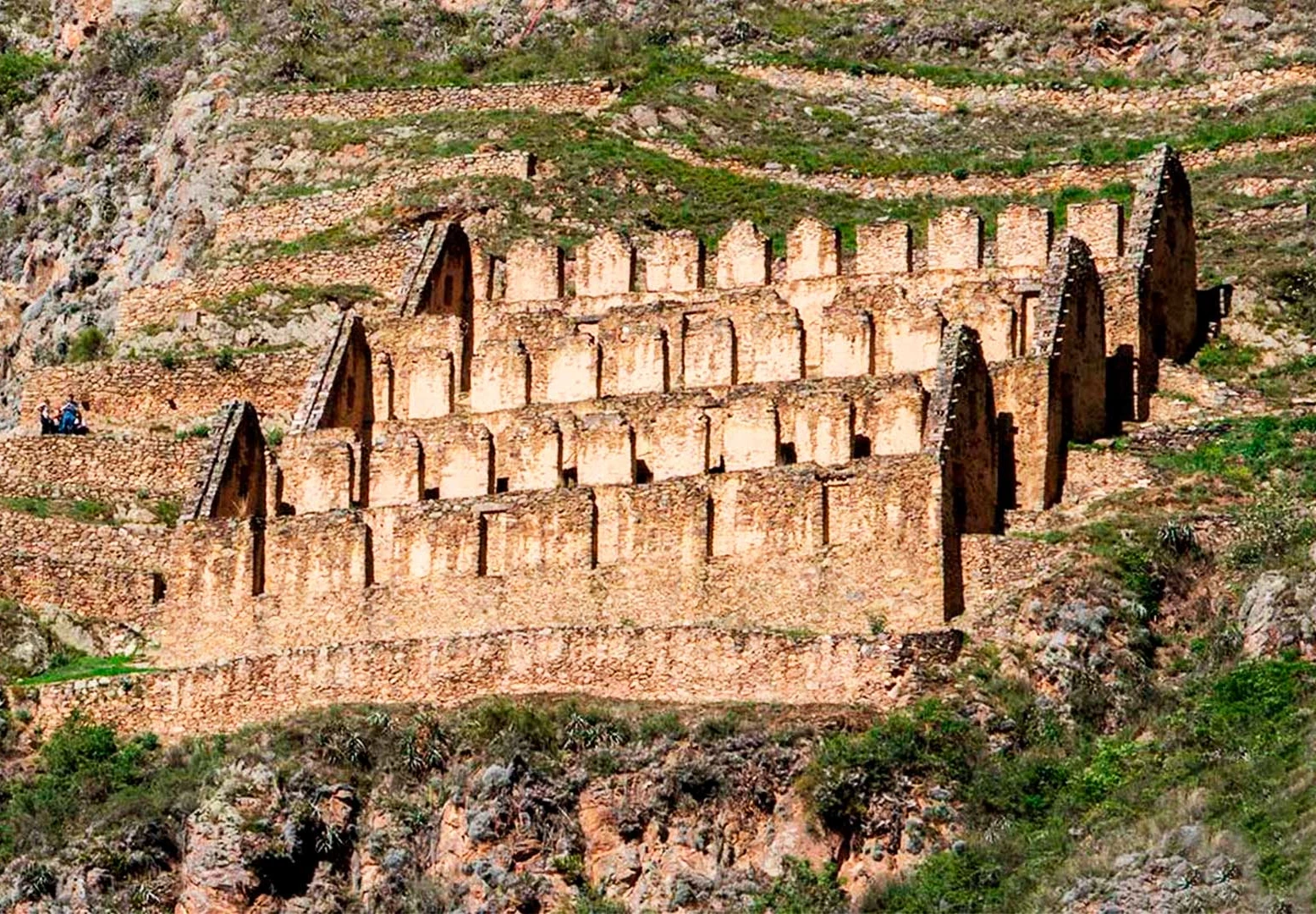
The Sacred Valley is dotted with fascinating archaeological sites and vibrant markets. Pisac is known for its impressive ruins and bustling market, where you can find locally crafted goods. The Pisac ruins, perched high above the town, offer breathtaking views of the valley and showcase the Incas’ architectural prowess with their intricate stonework and agricultural terraces. Ollantaytambo, with its massive fortress and terraces, offers a glimpse into the Inca’s advanced engineering skills. The town itself is a living Inca village, with narrow cobblestone streets and a unique water canal system that dates back to the time of the Incas.
In addition to its historical sites, the Sacred Valley is a hub of cultural activity. The vibrant markets, such as the one in Chinchero, are perfect for immersing yourself in local culture. Here, you can find traditional textiles and crafts made by skilled artisans who use techniques passed down through generations. Visiting these markets not only supports local communities but also provides an opportunity to learn about the rich cultural heritage of the region.
Machu Picchu sits at an altitude of about 7,970 feet, and nearby Cusco is even higher, at around 11,152 feet. Altitude sickness is a real concern for travelers, but with proper preparation, it can be managed. The thin air at high altitudes can cause symptoms such as headaches, dizziness, and fatigue, which can affect your ability to enjoy the journey. Therefore, understanding how to acclimatize properly is essential to ensure a pleasant experience.
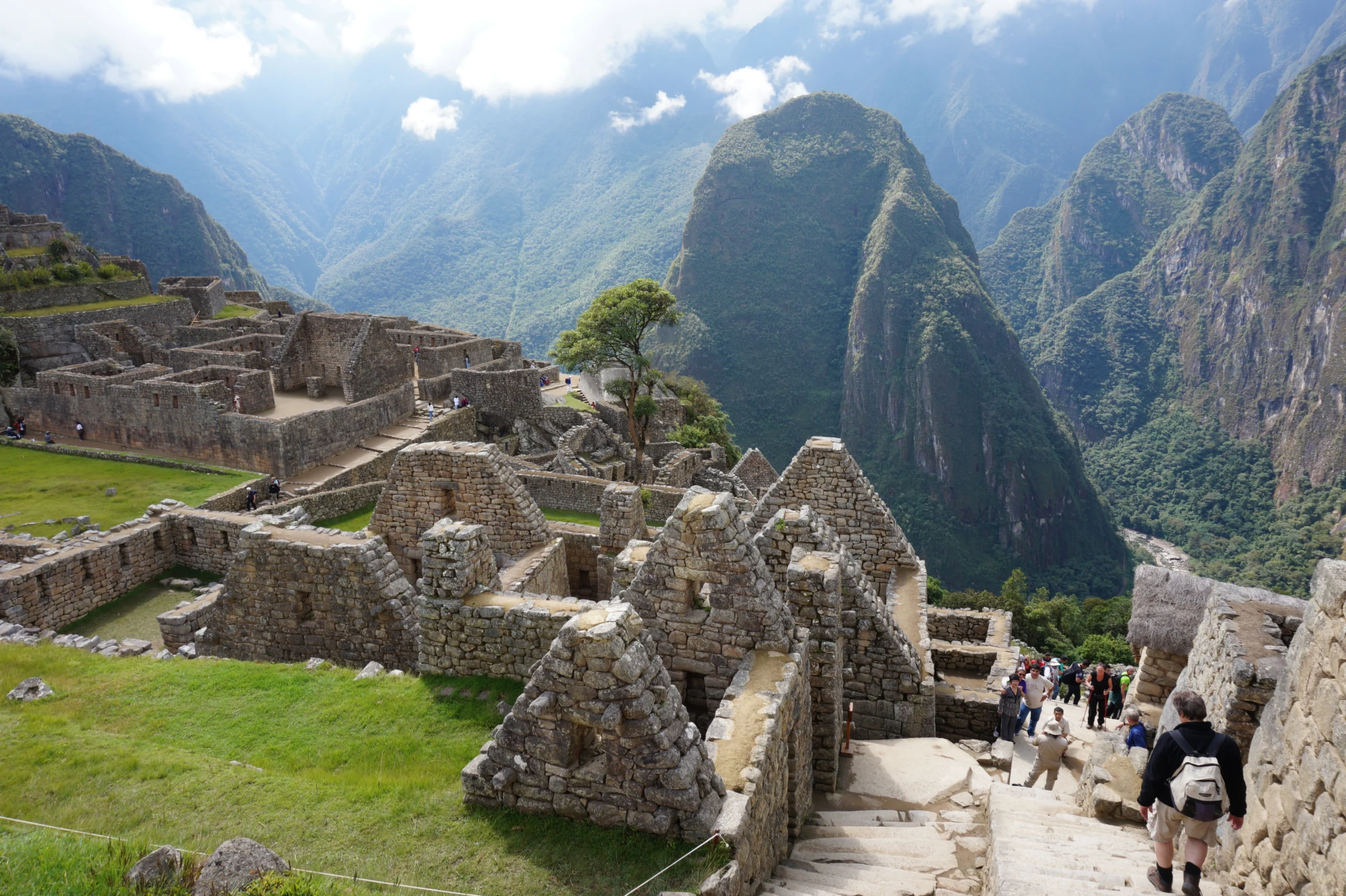
There are several ways to reach Machu Picchu, each offering its own adventure. Whether you prefer the challenge of trekking or the comfort of a scenic train ride. Moreover the journey to Machu Picchu is an integral part of the experience. Each route offers unique perspectives of the Andean landscape, allowing you to appreciate the natural beauty of the region.
For those seeking a physical challenge and a deeper connection with nature, the Inca Trail is a renowned trekking path that leads directly to Machu Picchu. It typically takes four days, and you’ll pass through diverse ecosystems and ancient Inca ruins. The trail offers a sense of camaraderie among trekkers and guides, as you share the experience of traversing mountain passes and exploring hidden archaeological sites.
The Inca Trail is a journey through time, allowing you to walk in the footsteps of the Incas. The trail culminates at the Sun Gate, Inti Punku, where trekkers are rewarded with their first breathtaking view of Machu Picchu. This moment is often described as magical, as the sun rises over the ancient city, casting a golden hue over the stone structures and surrounding peaks.
If trekking isn’t your style, a scenic train ride from Cusco or Ollantaytambo to Aguas Calientes is an excellent alternative. PeruRail and IncaRail offer comfortable journeys with panoramic views of the Andes. The train ride allows you to relax and enjoy the stunning scenery. Providing unobstructed views of the dramatic landscapes, from snow-capped peaks to lush cloud forests.
The journey to Aguas Calientes, the town at the base of Machu Picchu, sets the stage for your visit to the ancient citadel. Aguas Calientes is a charming town with hot springs and a lively atmosphere, where you can unwind before your ascent to Machu Picchu. The train ride, with its luxurious service and scenic vistas, provides a memorable introduction to the wonders of the Andes.
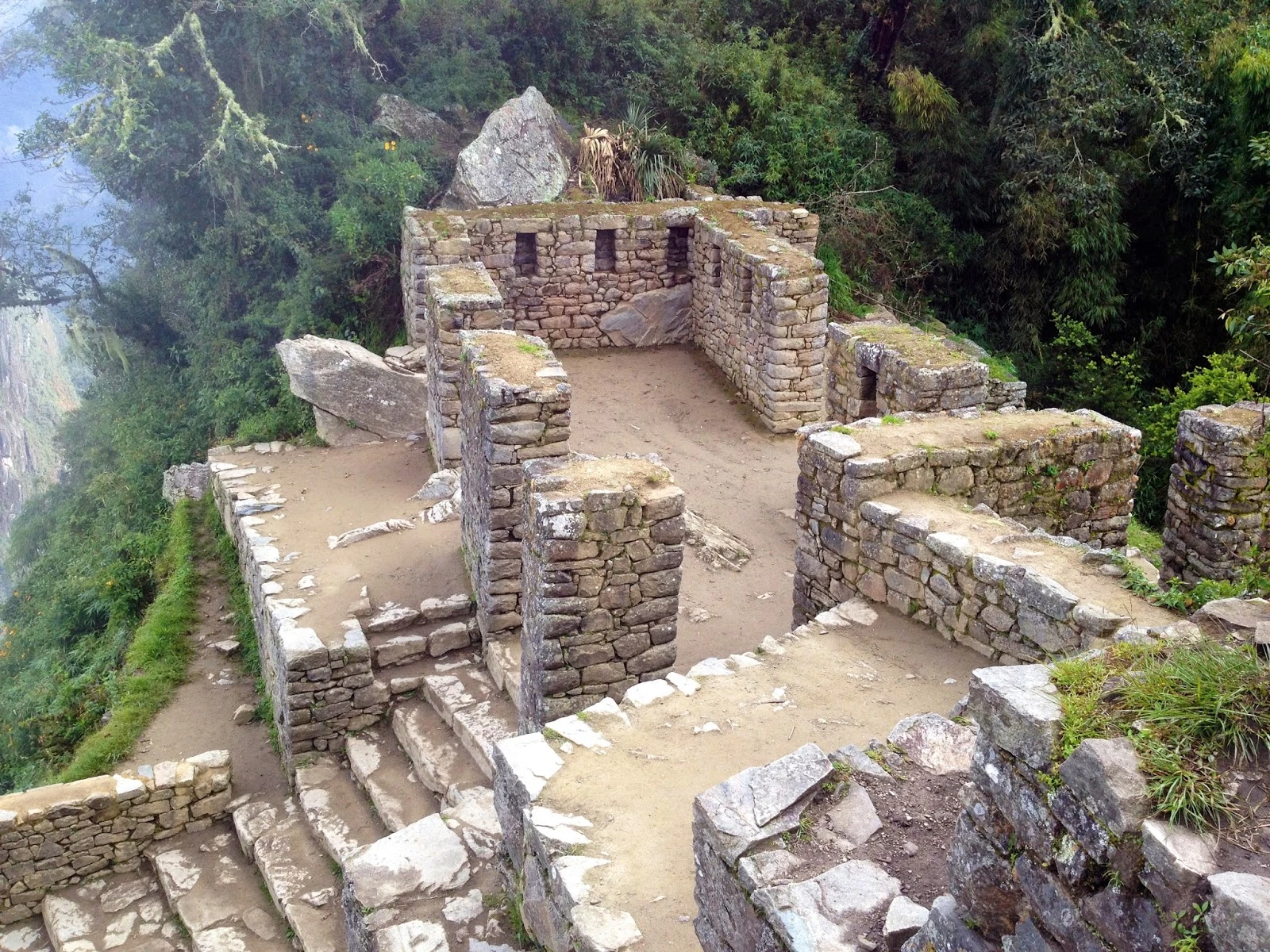
Upon reaching Machu Picchu, you’ll be greeted by the awe-inspiring sight of ancient stone structures perched amidst verdant peaks. The site is a testament to the architectural genius of the Incas, with its well-preserved buildings and intricate layout. As you explore the ruins, you’ll find yourself transported back in time, uncovering the mysteries of this ancient civilization.
While Machu Picchu is undoubtedly the star attraction, the surrounding region boasts other natural wonders worth exploring. The Andes Mountains are rich in diverse landscapes and cultural experiences. Travelers have the opportunity to venture off the beaten path and discover hidden gems.
A day trip from Cusco, Vinicunca, or Rainbow Mountain, is famed for its vibrant, multi-colored slopes created by mineral deposits. The trek can be challenging due to the altitude, but the surreal landscape is a photographer’s dream. The mountain’s striking colors, ranging from deep reds to bright yellows.
The journey to Rainbow Mountain is as rewarding as the destination itself. Along the way, you’ll pass through traditional villages and encounter local wildlife. Llamas and alpacas grazing on the high-altitude plains. The trek offers a unique glimpse into the rugged beauty of the Andes and the rich cultural tapestry.
For a true off-the-beaten-path experience, consider trekking around Ausangate, one of the most sacred mountains in Peru. This multi-day trek offers remote beauty, stunning glacial lakes, and the chance to connect with local Quechua communities. The Ausangate region is known for its breathtaking landscapes.
Trekking around Ausangate is not just about the stunning scenery; it’s also an opportunity to engage with local traditions and customs. The Quechua communities living in this region maintain their ancestral way of life. Visitors can learn about their unique culture and spiritual beliefs. The trek is a journey of discovery, offering insights into the harmony between people and nature.
Whether you’re a corporate executive seeking a well-organized escape, a freelance photographer in search of the perfect shot, or an academic researcher eager to delve into Incan history, Machu Picchu offers an unparalleled adventure. By exploring the Sacred Valley, preparing for altitude, and embracing the journey to this iconic site, you’ll uncover the mysteries of Machu Picchu with confidence and awe. The experience is a journey into the heart of one of the world’s most intriguing civilizations, offering insights into their achievements and way of life.
Machu Picchu at Sunset(A serene view of Machu Picchu at sunset, with golden light illuminating the ancient city). Embark on this journey not just to witness history, immersing yourself in the rich tapestry of culture. The adventure is a reminder of the enduring legacy of the Incas. By visiting Machu Picchu, you become a part of its story, contributing to the preservation and appreciation of this extraordinary site for future generations.