
The Short Inca Trail is a streamlined version of the classic Inca Trail trek, designed for travelers who want to experience the magic of Machu Picchu without committing to a lengthy journey. Typically completed in two days, this trek covers approximately 10 kilometers (6.2 miles) and culminates at the iconic Sun Gate, offering a stunning first view of Machu Picchu.
While the trek is shorter, it packs a punch with its highlights. Starting from KM 104, trekkers experience diverse ecosystems, from lush cloud forests to the historic ruins of Wiñay Wayna. The journey provides a unique opportunity to witness the harmonious blend of natural beauty and ancient engineering.
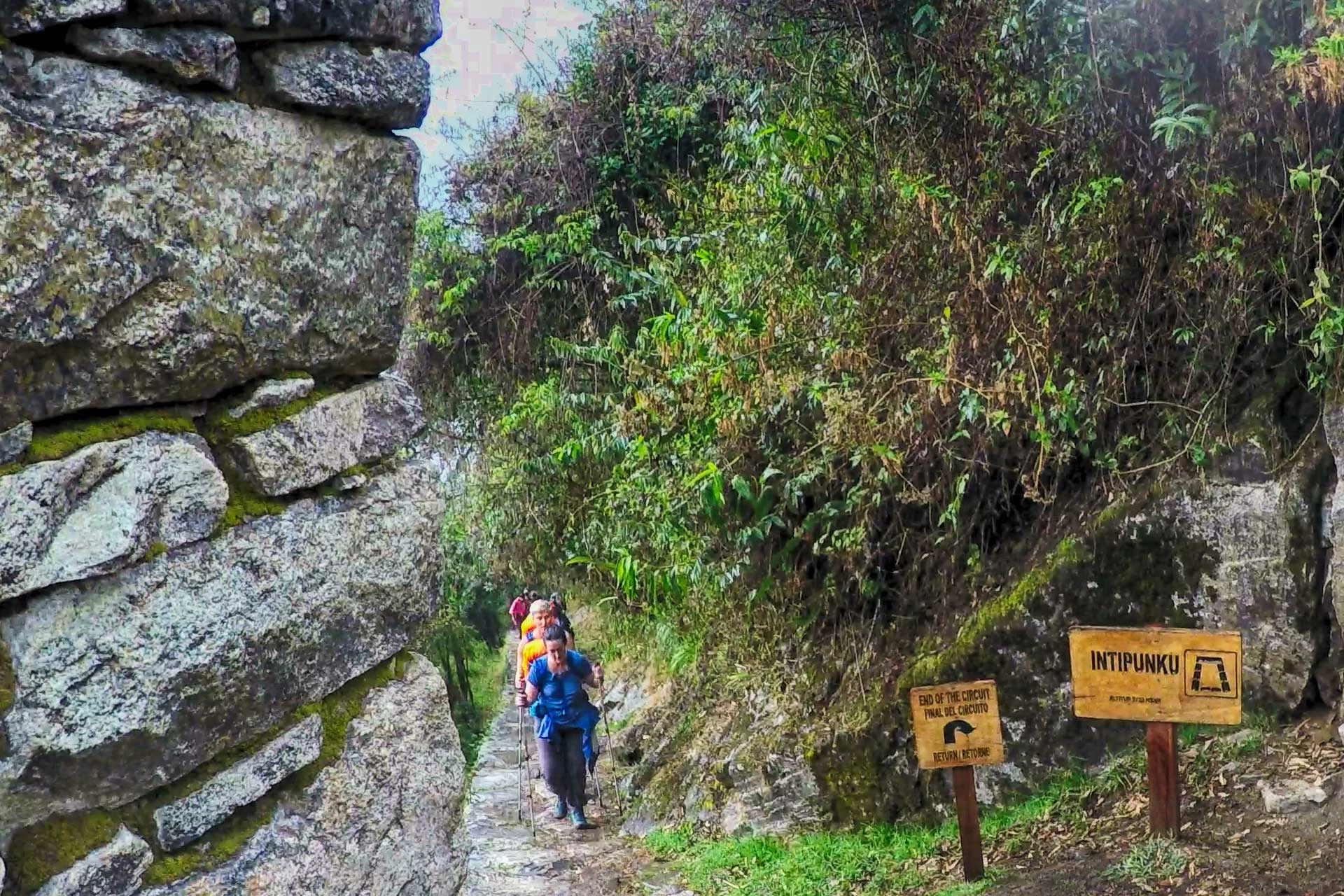
The Short Inca Trail is ideal for those with limited time or who prefer a less strenuous adventure. It’s perfect for families with older children, professionals on a tight schedule, and anyone who wants a taste of the Andes without the commitment of a longer trek. Additionally, it caters to seasoned hikers looking for a quick yet fulfilling experience.
The trek’s climax is reaching the Sun Gate (Inti Punku), where travelers get their first glimpse of Machu Picchu. Arriving at this spot at sunrise is particularly magical, as the ancient city emerges from the mist, creating a moment of awe and inspiration. It’s a reward that makes the entire journey worthwhile.
For those pressed for time, the Short Inca Trail is a perfect blend of adventure and efficiency. It allows you to experience the essence of the Inca Trail, with its rich history and spectacular scenery, without the commitment of a longer trek. Plus, it’s a great way to acclimate to the Andean altitude before venturing to other high-altitude destinations like Vinicunca (Rainbow Mountain).
Balancing a tight schedule with a desire for adventure can be challenging. The Short Inca Trail offers a solution, providing an intense, rewarding experience in just two days. This efficiency is particularly appealing to travelers who want to make the most of their limited time in Peru.
Walking the Short Inca Trail is not just about the physical journey; it’s an immersion into the history and culture of the Inca civilization. Each step offers insights into the lives of the ancient people, with opportunities to learn from knowledgeable guides about the significance of the trail and its historical context.
For those planning to explore other high-altitude attractions in Peru, the Short Inca Trail serves as an excellent acclimatization opportunity. Spending time at moderate altitudes helps the body adjust, reducing the risk of altitude sickness when visiting places like Rainbow Mountain.
Altitude sickness is a common concern for travelers in the Andes. The Short Inca Trail, starting at a lower altitude than its longer counterpart, offers a gentler introduction to the heights of the region. However, it’s still important to acclimate properly. Spend a few days in Cusco or the Sacred Valley beforehand, stay hydrated, and consider using coca leaves or altitude sickness medication if needed.
One of the best ways to prepare for high altitudes is by spending time in Cusco or the Sacred Valley before embarking on the trek. This period allows your body to adjust to the thinner air, reducing the likelihood of experiencing altitude sickness. Engaging in light activities during this time can further help acclimatization.
Staying hydrated is crucial when trekking at high altitudes. Drink plenty of water before and during your trek to keep your body functioning optimally. Nutrition also plays a vital role; consuming a balanced diet rich in carbohydrates can provide the necessary energy for the journey.
Incorporating traditional remedies like coca leaves can be beneficial. Many locals and travelers chew coca leaves or drink coca tea to alleviate symptoms of altitude sickness. Additionally, carrying medication such as acetazolamide can offer relief if symptoms persist, ensuring a more comfortable experience.
Packing smart is key to enjoying your trek. Here’s a quick checklist:
Choosing the right footwear is essential for a comfortable trek. Invest in high-quality, waterproof hiking boots that offer good ankle support. Layered clothing is also important, as temperatures can fluctuate throughout the day. Start with a moisture-wicking base layer, add an insulating mid-layer, and top it off with a waterproof shell.

The Andean climate is notoriously unpredictable, with sudden changes in weather conditions. Packing rain gear, such as a poncho or waterproof jacket, ensures you’re prepared for unexpected showers. Additionally, a wide-brimmed hat and sunglasses offer protection from the intense high-altitude sun.
High-energy snacks like nuts, dried fruits, and energy bars are great for maintaining energy levels during the trek. Carrying a reusable water bottle and refilling it at designated points helps you stay hydrated. Remember, it’s better to sip water regularly than to drink large amounts infrequently.
The Inca Trail is not just a hike; it’s a journey through history. As you walk, you’ll follow in the footsteps of the ancient Incas, passing through cloud forests and archaeological sites. This trail was part of a vast network of roads that connected the Inca Empire, and walking it offers a glimpse into the past, enriching your experience with cultural depth.
The Inca Trail is a historic route that was once a vital link within the vast Inca Empire. As you traverse this ancient path, you’ll encounter remnants of a civilization that was both advanced and deeply connected to nature. Understanding this context enriches the trekking experience, transforming it into a journey through time.
The trail is dotted with archaeological sites that offer insights into Incan life and architecture. Wiñay Wayna, with its terraces and ruins, is a highlight, showcasing the ingenuity of Incan construction techniques. Each site along the trail tells a story, providing trekkers with a deeper appreciation for this ancient culture.
Interacting with local guides and communities along the trail offers an opportunity to learn about contemporary Andean culture. These interactions provide a richer understanding of the region’s traditions, beliefs, and way of life, making the trek not just a physical journey, but a cultural exploration as well.
The adventure begins in Cusco, where you’ll take an early morning train to KM 104, the starting point of the trek. From here, you’ll hike to the stunning archaeological site of Wiñay Wayna, meaning “Forever Young” in Quechua. This site, with its intricate terraces and ruins, provides a perfect introduction to Inca architecture and engineering.
Your journey starts in the vibrant city of Cusco, the former capital of the Inca Empire. After an early breakfast, board a train that takes you through the scenic Sacred Valley to the trailhead at KM 104. The train ride itself is a visual treat, offering glimpses of the beautiful Andean landscape.
Once you disembark, the trek begins with a gradual ascent through lush cloud forests. The path winds through diverse ecosystems, offering a chance to spot unique flora and fauna. As you approach Wiñay Wayna, the anticipation builds, culminating in a breathtaking view of this well-preserved archaeological site.
Wiñay Wayna is a testament to Incan engineering prowess, featuring complex terraces and stone structures. Spend time exploring the site, taking in the intricate craftsmanship and learning about its historical significance. The site’s name, “Forever Young,” reflects its enduring beauty and the sense of timelessness it evokes.

Rise early and continue your trek towards the Sun Gate (Inti Punku), the grand entrance to Machu Picchu. Arriving here at sunrise offers a magical view as the ancient city emerges from the mist. Spend the day exploring Machu Picchu, with its awe-inspiring structures and panoramic vistas, before returning to Cusco by train.
Starting before dawn, the final leg of the trek leads you to the Sun Gate. Arriving here at sunrise is a momentous occasion, as the first rays of sunlight illuminate Machu Picchu, revealing its majestic presence. This unforgettable view is the highlight of the trek, a reward for your efforts.
Spend the day wandering through the ancient city, marveling at its architectural wonders. From the Temple of the Sun to the Intihuatana stone, each structure holds historical and cultural significance. Take time to explore the site’s various sectors, each offering unique insights into Incan life.
After a day of exploration, board the train back to Cusco, reflecting on the incredible journey you’ve completed. The return trip offers a chance to relax and savor the memories of your adventure, with the knowledge that you’ve experienced one of the world’s most iconic treks.
Once you’ve conquered the Short Inca Trail, consider extending your adventure to Vinicunca, also known as Rainbow Mountain, or its less-crowded sibling, Palccoyo. Both offer unique landscapes with their vibrant mineral-colored stripes and provide ample opportunities for photographers to capture stunning natural beauty.
Vinicunca is a day trip from Cusco and involves a moderate hike at high altitude. The trail can be challenging, but the reward is a breathtaking view of the colorful mountain range that looks like a painted canvas.
The trek to Vinicunca begins with an early morning drive from Cusco, passing through picturesque Andean villages. The road to the trailhead offers glimpses of traditional Andean life, with herds of alpacas dotting the landscape. As you approach the start of the hike, the anticipation for the colorful spectacle ahead builds.
The hike itself is a moderate challenge, with high altitude posing the primary difficulty. The trail ascends gradually, and it’s important to pace yourself, taking breaks as needed. The effort is well worth it, as the first sight of the vibrant mountain range is nothing short of awe-inspiring.
At the summit, the view is spectacular, with the mountain’s mineral-rich soil creating vivid stripes of color. This natural wonder is a photographer’s dream, offering endless opportunities to capture the beauty of the landscape. Take time to soak in the view and appreciate the unique geological formation.
For those seeking a similar experience with fewer crowds, Palccoyo is a fantastic alternative. It offers a shorter, easier hike and equally stunning scenery, making it ideal for those who want to avoid the hustle and bustle of the more popular trails.
Palccoyo, often referred to as the “Alternative Rainbow Mountain,” is less crowded yet equally breathtaking. The journey begins with a scenic drive from Cusco, leading to a trail that is more accessible than Vinicunca. The shorter hike makes it a great option for those with limited time or energy.
The trail to Palccoyo is gentler, with less steep inclines, making it suitable for a wider range of fitness levels. As you walk, the landscape gradually unfolds, revealing a palette of vibrant colors. The tranquility of the trail allows for peaceful reflection and unhurried exploration.
Palccoyo rainbow mountain offers not just one, but several rainbow-colored peaks, each with its own distinct charm. The panoramic views from the top are breathtaking, providing a sweeping vista of the surrounding Andes. The experience is enhanced by the serenity of the location, offering a sense of solitude and connection with nature.
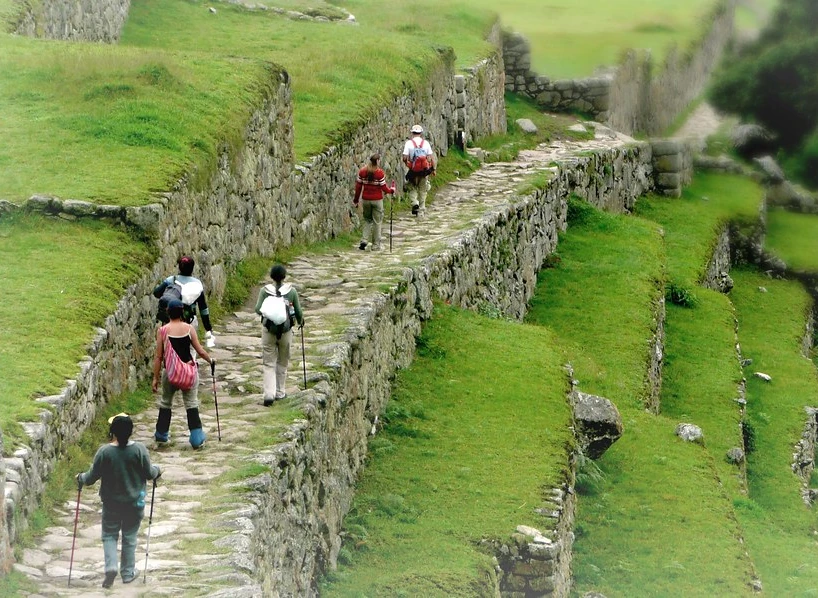
Advance planning is crucial for a successful trek. Permits for the Inca Trail are limited and can sell out months in advance, so early booking is essential. Consider using a reputable tour operator who can assist with logistics and provide a seamless experience from start to finish.
Hiring a knowledgeable guide can greatly enhance your trek. Guides provide valuable insights into the history and culture of the region, offering a deeper understanding of the trail’s significance. They also ensure your safety and wellbeing, allowing you to focus on enjoying the journey.
Travel insurance is a must for any trekking adventure, covering potential emergencies and ensuring peace of mind. Additionally, respecting local customs and engaging with communities along the trail enriches your experience, fostering connections and cultural exchange.
The Short Inca Trail is a perfect choice for time-limited travelers seeking a meaningful and memorable adventure. With its blend of historical intrigue, natural beauty, and cultural significance, it offers a fulfilling travel experience that fits neatly into your schedule. Whether you’re capturing the perfect shot, gathering cultural insights, or simply enjoying a well-deserved break, this trek promises to leave you with lasting memories.
Embark on this journey and discover why the Short Inca Trail is a must-do for any traveler visiting Peru. Happy trekking!