
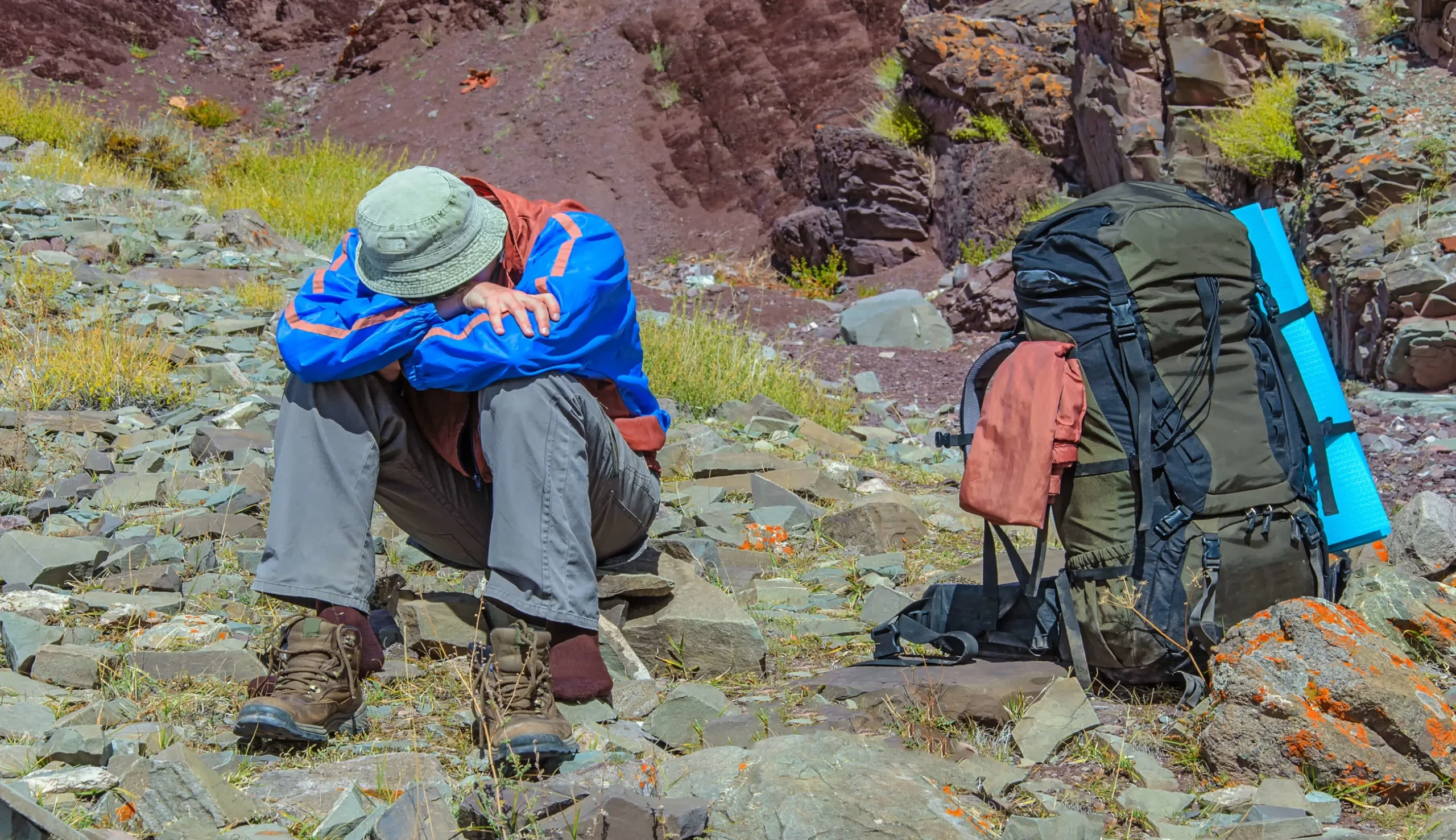
Altitude sickness, also known as acute mountain sickness (AMS), occurs when you cannot get enough oxygen from the air at high altitudes. Symptoms include headaches, nausea, dizziness, and fatigue. It’s important to recognize these symptoms early to prevent more severe complications.
Recognizing the symptoms of altitude sickness is crucial for prevention and management. Early signs include headaches, nausea, and dizziness, which can escalate to more serious conditions like high-altitude pulmonary edema (HAPE) or high-altitude cerebral edema (HACE). Understanding the impact of these symptoms on your body allows you to take timely action and avoid complications.
As you ascend to higher elevations, the air becomes thinner, meaning there is less oxygen available. Your body needs time to adjust, and if you ascend too quickly, you may experience symptoms of altitude sickness. It’s a physiological response that can affect anyone, regardless of age or fitness level.
Altitude sickness can manifest in different forms depending on the severity and individual susceptibility. Acute Mountain Sickness (AMS) is the most common, characterized by mild symptoms. HAPE and HACE are more severe forms, requiring immediate medical attention. Understanding these distinctions helps in preparing for potential scenarios.
Before you embark on your trek, it’s crucial to prepare both physically and mentally. Here are some steps to take:
Spend a few days in Cusco or the Sacred Valley before heading to higher altitudes. This allows your body to adapt gradually. Gradual ascent is one of the most effective strategies for acclimatization, giving your body the time it needs to adjust to lower oxygen levels.
Consider visiting lower altitude sites in the Sacred Valley or taking a gentle hike to Palccoyo before tackling more challenging treks like Ausangate. The strategy of “climb high, sleep low” is also beneficial, where you ascend to a higher altitude during the day but return to a lower altitude to sleep.
Regularly check in with your body to assess how well you’re acclimatizing. Keep track of any symptoms like headaches or shortness of breath. Being proactive in monitoring your health can prevent minor symptoms from becoming serious issues.
Staying hydrated is essential. Drink plenty of water before and during your trek. Avoid alcohol and caffeine, as they can dehydrate you. Opt for a balanced diet rich in carbohydrates to provide energy and help your body adjust.
Maintaining hydration is crucial as the dry mountain air can quickly deplete your body’s fluids. Consistent hydration helps your body transport oxygen more efficiently and can alleviate symptoms of altitude sickness.
Focus on a diet that includes complex carbohydrates, which are a primary energy source and aid in acclimatization. Foods like quinoa, a staple in Peru, are both nutritious and locally available. Incorporating local superfoods can enhance your diet while providing cultural experiences.
Identify and avoid substances and activities that can lead to dehydration. In addition to avoiding alcohol and caffeine, be mindful of physical exertion levels and environmental factors that can increase your body’s fluid needs.
While you don’t need to be an athlete, some level of fitness can help. Engage in cardiovascular exercises, like jogging or cycling, in the weeks leading up to your trip. This can improve your body’s efficiency in using oxygen.
Building endurance through regular cardiovascular exercises can help your body adapt to the physical demands of trekking at high altitudes. Activities like swimming or rowing can also enhance cardiovascular health.
Consult with your doctor about medications like acetazolamide (Diamox), which can help prevent symptoms of altitude sickness. Start taking it a day or two before you ascend.
Familiarize yourself with the different medications available for altitude sickness prevention. Acetazolamide is a common choice, but other options may be suitable depending on individual health needs. Consulting with a healthcare professional ensures you make informed decisions.
Adhering to the correct dosage and timing when using medication is crucial for effectiveness. Starting the medication before ascent and following prescribed guidelines can significantly reduce the risk of symptoms.
Some travelers find relief by using portable oxygen canisters. Additionally, chewing coca leaves or drinking coca tea is a traditional remedy that many locals swear by.
Coca leaves have been used for centuries by indigenous peoples in the Andes for their purported ability to alleviate altitude sickness. Consuming coca tea or chewing the leaves can provide a natural way to ease symptoms and engage with local traditions.
Understanding the cultural significance of coca leaves enhances your experience and respect for local customs. Engaging with traditional remedies connects you to the region’s heritage and offers a deeper appreciation of the cultural landscape.
Peru is home to some of the world’s most iconic trekking destinations. Each location offers unique experiences and challenges.
Vinicunca is a must-see, with its vibrant colors sweeping across the landscape like a painter’s palette. Start your hike early in the morning to avoid crowds and give yourself ample time to ascend slowly.
Arriving early not only helps you avoid crowds but also allows you to witness the mountain’s colors in the soft morning light. This timing can enhance your photographic opportunities and provide a more peaceful experience.
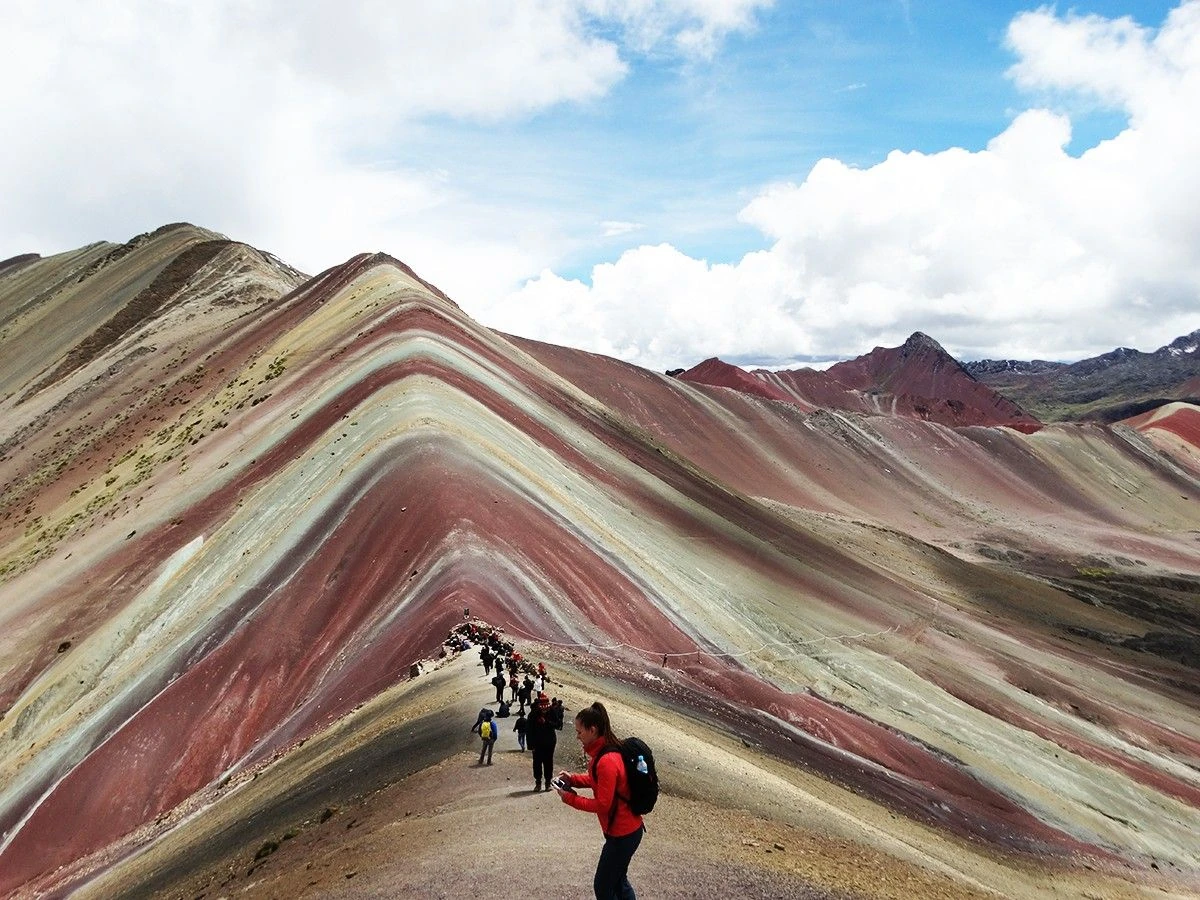
The stunning colors of Rainbow Mountain are a result of mineral deposits that have been exposed by erosion. Learning about the geological processes that created this landscape can deepen your appreciation for its beauty.
The trail to Vinicunca rainbow mountain can be challenging due to its altitude and terrain. Familiarize yourself with the route and prepare accordingly, ensuring you have appropriate gear and supplies for a safe trek.
The Sacred Valley offers a gentler introduction to Peru’s high altitudes. Explore ancient Incan sites, local markets, and charming villages. It’s an excellent place to acclimatize before tackling higher altitudes.
The Sacred Valley is rich with historical sites that offer insight into the Incan civilization. Exploring ruins and learning about their historical context provides a cultural dimension to your trek.
Visiting local markets and villages allows you to engage with the culture and people of the Sacred Valley. These interactions provide authentic experiences and opportunities to learn about traditional crafts and lifestyles.
The valley’s natural beauty is complemented by a range of activities, from gentle hikes to horseback riding. These options cater to diverse interests and fitness levels, enhancing your overall experience.
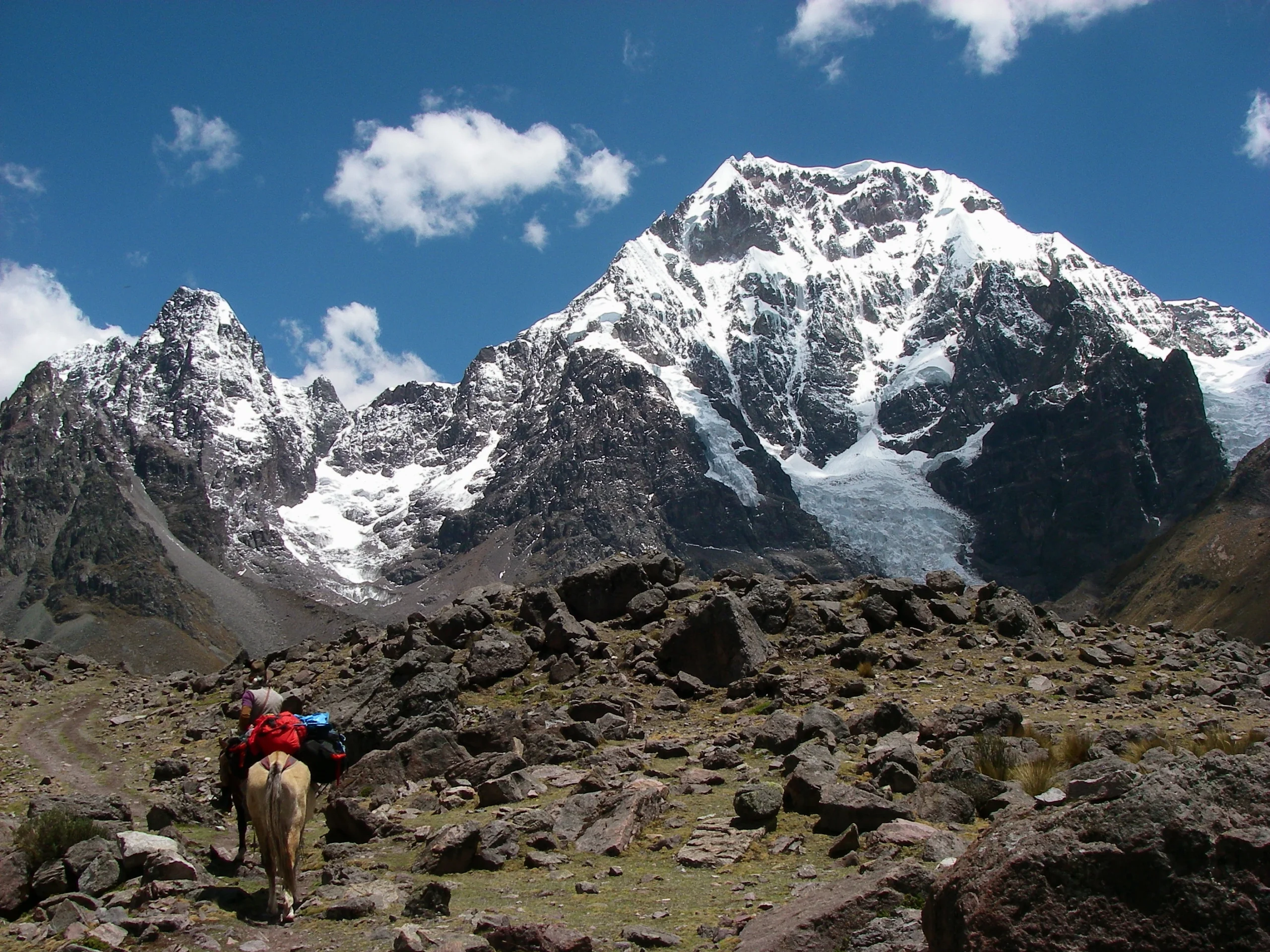
For seasoned trekkers, Ausangate is an adventure like no other, offering stunning vistas and remote landscapes. Be sure to acclimatize well, as this trek reaches elevations of over 6,000 meters.
Ausangate requires thorough preparation due to its challenging conditions. Ensure you have the necessary equipment, provisions, and knowledge to tackle this demanding trek safely.
The remote nature of Ausangate offers a sense of solitude and connection with nature. This trek provides an opportunity to disconnect from modern life and immerse yourself in the wilderness.
The Ausangate region is home to traditional Andean communities that maintain ancient customs. Interacting with these communities offers unique cultural insights and enriches your trekking experience.
An alternative to the popular Vinicunca, Palccoyo rainbow mountain offers similar rainbow-colored mountains with fewer tourists. It’s a great option for those looking to capture unique photographs or enjoy a quieter experience.
Palccoyo’s relative obscurity compared to Vinicunca means fewer crowds and a more tranquil experience. This makes it an ideal choice for those seeking solitude and uninterrupted views.
The vibrant colors and unique formations of Palccoyo provide excellent photographic opportunities. Capturing the landscape in different lighting conditions can result in striking images.
Plan your visit to Palccoyo with considerations for weather and trail conditions. Being prepared ensures a safe and enjoyable trek, allowing you to fully appreciate the landscape.
Peru is not only about its landscapes but also its rich culture. Engage with local communities to enhance your experience.
Learn a few basic phrases in Quechua or Spanish to connect with locals. Respect local customs and traditions, and you’ll find the people of Peru warm and welcoming.
Learning key phrases in the local language can open doors to deeper connections with the people you meet. Language is a powerful tool for building rapport and showing respect for the culture.
Understanding and respecting local customs enriches your cultural experience. Whether it’s participating in traditional ceremonies or observing social norms, these interactions deepen your appreciation for the culture.
Engaging with locals allows for the exchange of stories and experiences, fostering meaningful connections. These interactions often become cherished memories of your trek.
For photographers, early morning or late afternoon light can provide the best conditions for capturing Peru’s landscapes. Respect local customs when photographing people, always asking for permission first.
Understanding the impact of lighting on photography can enhance your images. The golden hours of dawn and dusk provide soft, flattering light that highlights the natural beauty of Peru’s landscapes.
Respecting the privacy and dignity of individuals when photographing them is essential. Always seek permission and be mindful of cultural sensitivities to ensure ethical photography.
Photography is a powerful medium for capturing cultural moments and stories. Focus on documenting authentic experiences and interactions that convey the essence of your journey.
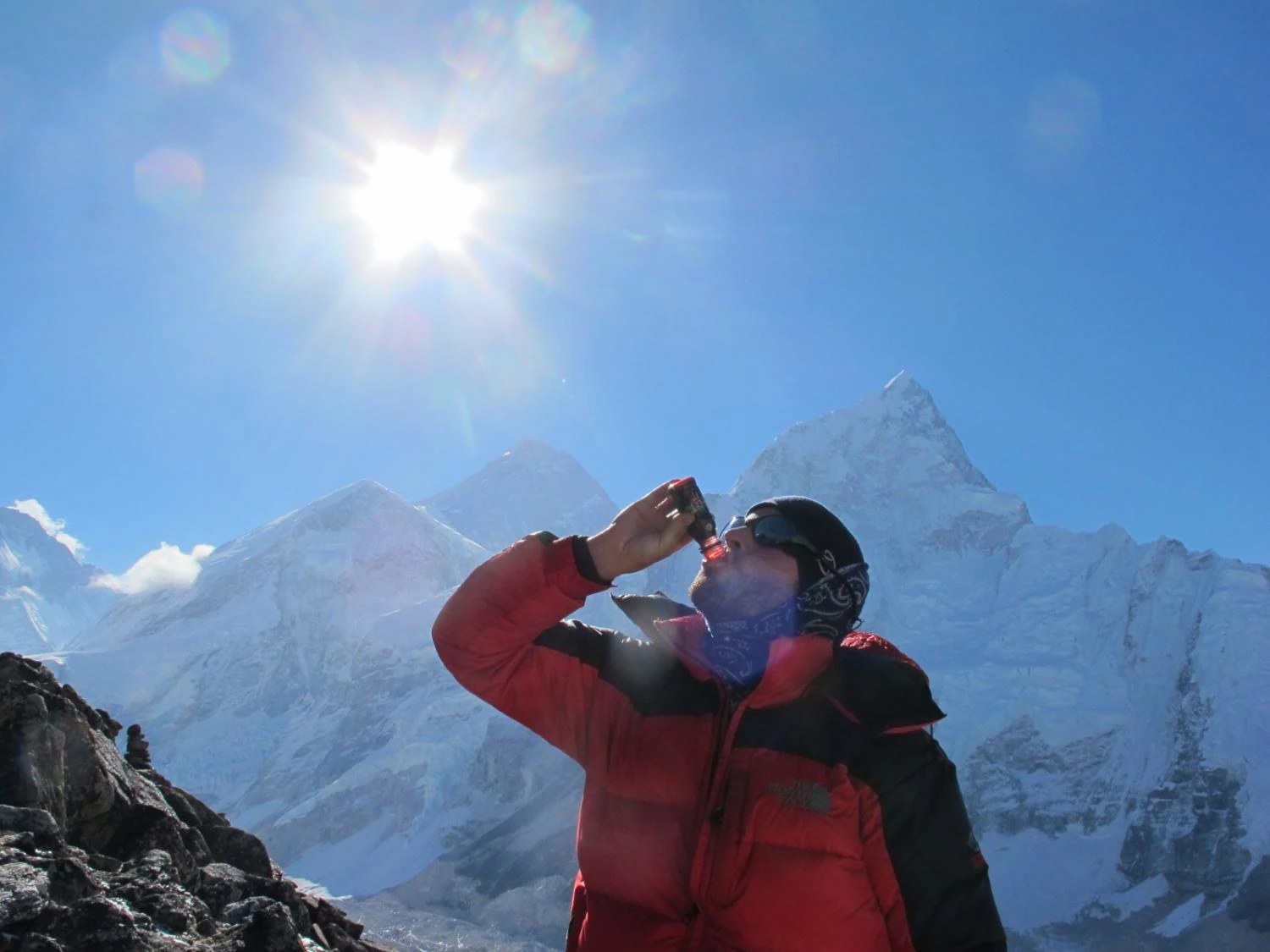
Preventing altitude sickness is about preparation, pacing, and listening to your body. With these strategies, you can safely explore Peru’s majestic landscapes, from the Sacred Valley to the peaks of Ausangate. Whether you’re capturing the perfect photo, conducting research, or simply soaking in the beauty, Peru promises an unforgettable adventure.
By taking the time to acclimatize and following these tips, you’re setting yourself up for a successful and enjoyable trek. Embrace the journey with an open mind and a spirit of adventure.
Prepare for your trek by packing essential gear and supplies. Proper preparation ensures comfort and safety, allowing you to focus on the beauty of your surroundings.
Your trek in Peru is an opportunity to create lasting memories. Whether through photographs, cultural interactions, or personal reflections, cherish the experiences and stories you gather along the way. So pack your bags, lace up your hiking boots, and get ready to explore the wonders of Peru!