
The Inca Trail is not just a hike; it’s a journey through history. The ancient Incas constructed this network of paths to connect their vast empire, with Machu Picchu as one of its crown jewels. Walking these trails today allows trekkers to step back in time and experience. The ingenuity and resilience of the Incan civilization it is proove.
The Inca Trail’s historical significance cannot be overstated. It was a vital part of the Inca Empire, connecting distant regions and facilitating communication, trade, and military movements. This intricate network of paths reflects the advanced engineering skills. As you walk these trails, you are literally treading in the footsteps of history. Gain insight into a civilization that thrived centuries ago.
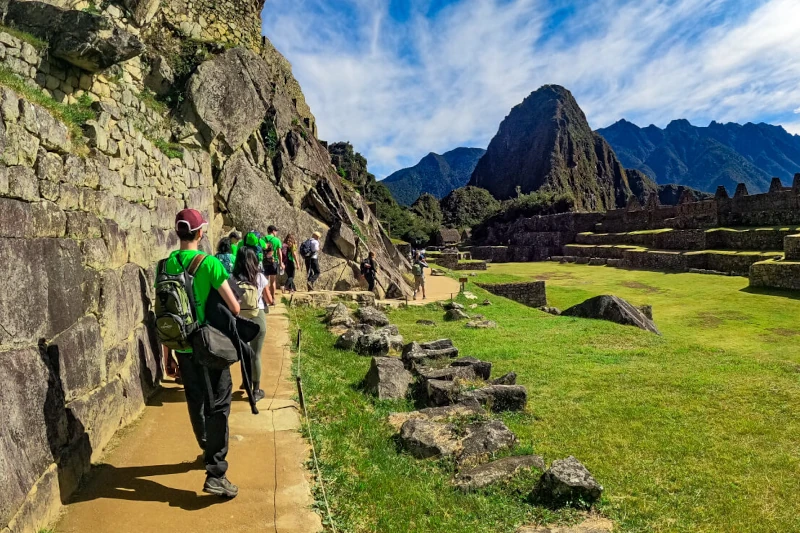
Along the Inca Trail, one can witness the architectural prowess of the Incas. The trail is dotted with archaeological sites where stone structures stand. This is testament to the sophisticated masonry techniques of the time. These ruins, including ceremonial platforms, fortresses, and agricultural terraces. In effect Incas’ ability to harmonize their constructions with the natural landscape, a skill that continues to awe modern architects and historians alike.
Beyond the physical remnants, the Inca Trail offers profound cultural insights. Each step along the path is an opportunity to delve into the spiritual and everyday life of the Incas. The trail was not just a road but a sacred journey, with various sites serving religious and ceremonial purposes. Trekkers can learn about the mythology, customs, and rituals that were integral to Incan society, providing a deeper understanding of this remarkable civilization.
The Classic Inca Trail is a 4-day, 3-night trek, covering approximately 26 miles (42 kilometers) from the Sacred Valley to Machu Picchu. This route is renowned for its breathtaking scenery, archaeological sites, and the sense of accomplishment that comes from completing one of the world’s most famous treks.
The Classic Inca Trail is a journey through significant historical stops that captivate the imagination. Each site along the trail, like Llactapata, Runkurakay, and Sayacmarca, offers glimpses into the Incan way of life, architecture, and spiritual practices. These stops are not just ruins but are windows into the past, allowing trekkers to visualize the bustling activity and rich history that once filled these spaces.
The route traverses a remarkable range of landscapes, making each day of the trek a new visual experience. From the lush cloud forests teeming with unique flora and fauna to the stark beauty of alpine tundra and the serene valleys surrounded by towering peaks, the Classic Inca Trail offers a dynamic interaction with nature. These diverse ecosystems highlight the ecological richness of the Andes and the challenges the Incas overcame in their travels.
The culmination of the Classic Inca Trail is the arrival at Intipunku, or the Sun Gate. This moment is often described as the pinnacle of the trek, where the first view of Machu Picchu unfolds dramatically at sunrise. This experience is not just a visual feast but a deeply spiritual moment for many trekkers, symbolizing the end of their journey and the incredible achievements of the Incan civilization.
Permits and Machu Picchu Tickets: Due to its popularity, permits for the Classic Inca Trail are limited and sell out quickly. It is advisable to book several months in advance.
Altitude Sickness: Trekking at high altitudes can pose challenges. It’s crucial to acclimatize properly in places like Cusco or Ollantaytambo before starting the trek.
Physical Demands: The Classic Inca Trail is more challenging due to its length and elevation changes, requiring a reasonable level of fitness.
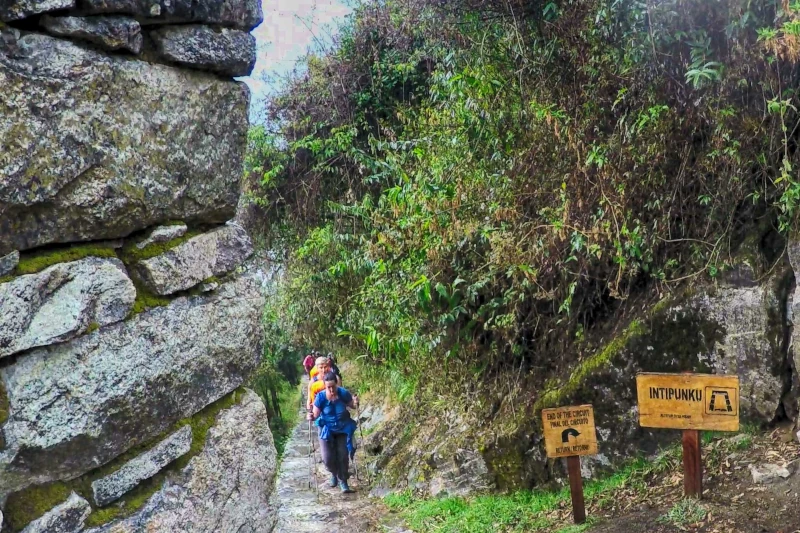
For those with limited time or who prefer a less strenuous trek, the Short Inca Trail offers a 2-day, 1-night experience, covering about 7.5 miles (12 kilometers). This route begins at Kilometer 104 on the railway to Machu Picchu and merges with the Classic Trail at Wiñay Wayna.
The Short Inca Trail is designed to offer a condensed yet immersive experience of the Inca Trail. Despite its shorter duration, the trek captures the essence of the Incan journey. Allowing trekkers to experience the natural beauty, historical significance, and cultural richness without the commitment of a longer trek. This option is ideal for those who wish to balance exploration with time constraints.
Even on a shorter trek, the Short Inca Trail does not skimp on historical intrigue. Trekkers can explore significant archaeological sites such as Wiñay Wayna. It is a place known for its impressive agricultural terraces and proximity to Machu Picchu. These sites offer valuable insights into the Incan way of life and their innovative agricultural practices, making the trek both educational and visually rewarding.
The Short Inca Trail provides trekkers with the exhilarating experience of merging with the Classic Trail for the final approach to Machu Picchu. This convergence offers a unique blend of anticipation and achievement, as trekkers join the ranks. In effect those have traversed the longer path, culminating in the breathtaking arrival at the Sun Gate “Inti Punku”.
Easier Access: The Short Inca Trail requires fewer permits than the Classic Trail, making it easier to book, although it’s still wise to plan ahead.
Less Acclimatization Needed: With a lower starting altitude, the risk of altitude sickness is reduced compared to the Classic Trail.
Suitable for Families: This shorter trek is more accessible for families or those with less hiking experience.
Choosing between the Classic and Short Inca Trail depends on several factors including time, fitness, and personal interests. Here’s a quick guide to help you decide:
Classic Inca Trail: Best for those who can dedicate four days to trekking and want to fully immerse themselves in the Incan legacy.
Short Inca Trail: Perfect for travelers with limited time who still wish to experience the essence of the Inca Trail.
Classic Inca Trail: Demanding but rewarding for those with a good fitness level and experience in multi-day hikes.
Short Inca Trail: More accessible for beginners or those with moderate fitness levels.
Classic Inca Trail: Offers a deeper dive into Incan culture with more archaeological sites and varied landscapes.
Short Inca Trail: Provides a condensed version of the Incan experience, focusing on the highlight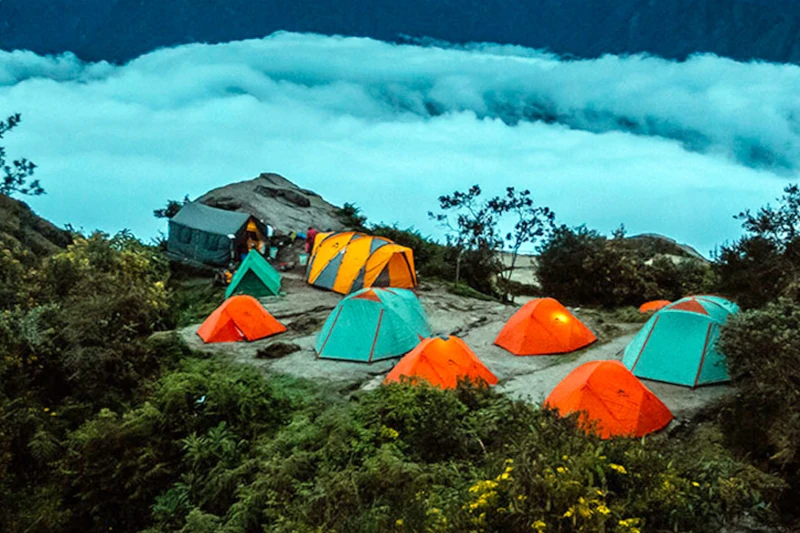
Whether choosing the Classic or Short Inca Trail, secure your permits well in advance to avoid disappointment. Booking early ensures you get a spot on your preferred trek. The demand for permits is high, and they sell out quickly, especially during peak seasons. Planning ahead also allows you to organize your travel itinerary, accommodations, and any additional Machu Picchu tours or activities you wish to include in your journey.
Spend a few days in high-altitude areas like Cusco to adjust before starting your trek. Proper acclimatization is crucial to prevent altitude sickness, which can affect your ability to enjoy the trek. Spending time in Cusco or Ollantaytambo helps your body adjust to the lower oxygen levels. Engage in light activities, stay hydrated, and avoid alcohol to aid the acclimatization process.
Bring appropriate gear, including sturdy hiking boots, weather-appropriate clothing, and essentials like sunscreen and a first-aid kit. A well-packed backpack can make a significant difference in your trekking experience. Consider the varying weather conditions and pack layers accordingly. Sturdy hiking boots are essential for navigating uneven terrain, and don’t forget to include personal items like a camera, snacks, and a reusable water bottle.
Learn about local traditions and respect the cultural heritage of the regions you visit. Understanding and respecting local customs enrich your experience and foster positive interactions with the communities you encounter. Take the time to learn a few phrases in Quechua, the local language, and be mindful of cultural practices, especially when visiting sacred sites. Showing respect for the land and its people enhances the journey for everyone involved.
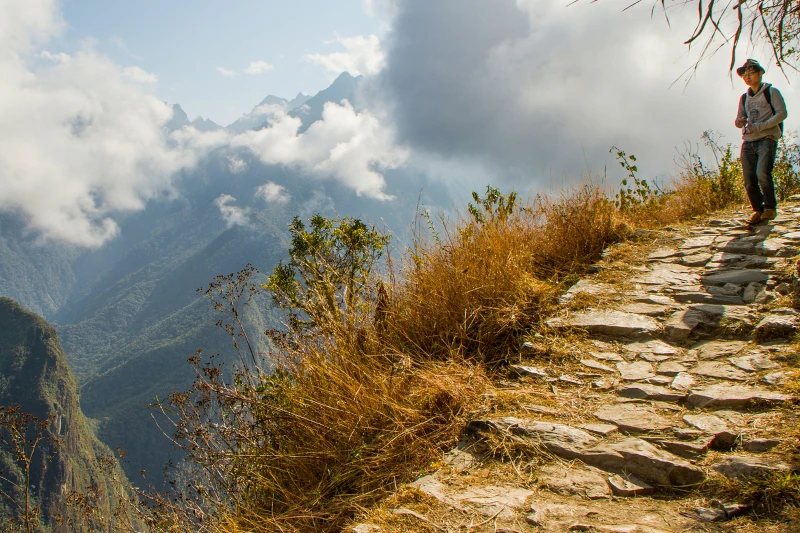
Both the Classic and Short Inca Trails offer unique opportunities to explore the wonders of Incan civilization and the breathtaking beauty of the Andes. Whether you seek a challenging adventure or a brief yet meaningful encounter with history, these trails promise an unforgettable journey to Machu Picchu. Embrace the spirit of the Incas, and let the ancient paths guide you through a tapestry of culture, history, and natural beauty. As you traverse these ancient trails, you not only witness the past but also become part of a living tradition that continues to inspire and captivate adventurers from around the world.