
Machu Picchu, a breathtaking 15th-century Inca citadel nestled high in the Andes Mountains of Peru, continues to mesmerize travelers and historians alike. Often dubbed the “Lost City of the Incas,” it stands as a monumental testament to the architectural genius and cultural sophistication of the Inca Empire.
In this comprehensive guide, we’ll explore the captivating history of Machu Picchu and provide a detailed travel guide for those planning to visit this iconic site.
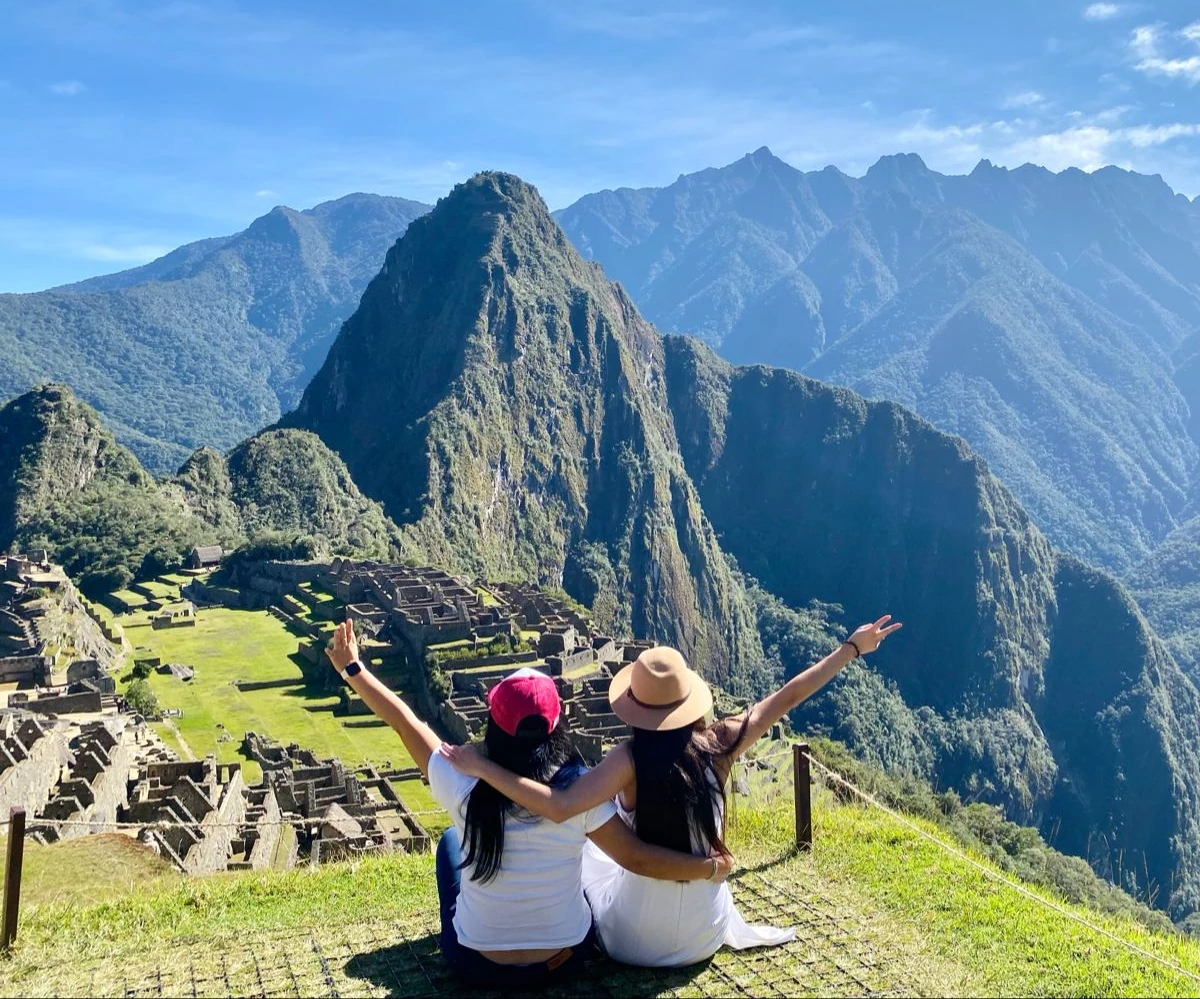
The history of Machu Picchu is as rich and intricate as the stonework that holds it together. Its discovery and purpose are shrouded in mystery and intrigue, drawing historians and tourists from around the globe. Delving into its past reveals the complexity and achievements of the Inca civilization.
Machu Picchu was thrust into the global spotlight in 1911 when American historian and explorer Hiram Bingham stumbled upon the site. Although indigenous locals were aware of its existence, it remained largely unknown to the wider world until Bingham’s expedition. His discovery sparked a surge of academic interest, drawing scholars eager to unearth the secrets of the Inca civilization. As more research unfolded, the site evolved from a hidden gem to a must-visit destination for history enthusiasts and adventure seekers.
Bingham’s expedition was not without its challenges. The dense jungle and rugged terrain posed significant obstacles, making the discovery all the more remarkable. The artifacts and photographs Bingham brought back further fueled the fascination. Moreover increased tourism and the site’s eventual status as a UNESCO World Heritage Site. Today, visitors can walk in Bingham’s footsteps and imagine the thrill of unearthing such an incredible find.
The exact purpose of Machu Picchu remains one of the greatest mysteries of the Inca Empire. Some historians argue it was a luxurious royal estate for the Inca Emperor Pachacuti. Others suggest it was a ceremonial site, strategically designed for astronomical observations and religious rituals. The precise alignment of the structures with astronomical events, such as solstices.
The strategic location and design of Machu Picchu also point to its importance as a defensive stronghold. Perched high above the Urubamba River, the site’s panoramic views provided a vantage point.
The blend of practical, spiritual, and ceremonial functions illustrates the complexity of Inca society and their ability to integrate various aspects of life into their architecture.
Machu Picchu is a masterpiece of engineering and architecture, renowned for its sophisticated dry-stone construction. The stones fit together so precisely that not even a blade of grass can wedge between them, showcasing the Incas’ advanced masonry skills. This intricate construction has allowed the structures to withstand centuries of earthquakes and weathering, standing as a testament to the ingenuity of Inca builders.
The site is divided into two main areas: the agricultural sector, with its impressive terraces for farming, and the urban sector, which includes temples, plazas, and residential buildings. The terraces were ingeniously designed to maximize arable land and prevent erosion, demonstrating the Incas’ deep understanding of their environment. The urban sector is a labyrinth of stone structures, each with its own purpose, from religious ceremonies in the Temple of the Sun to communal gatherings in the Main Plaza.
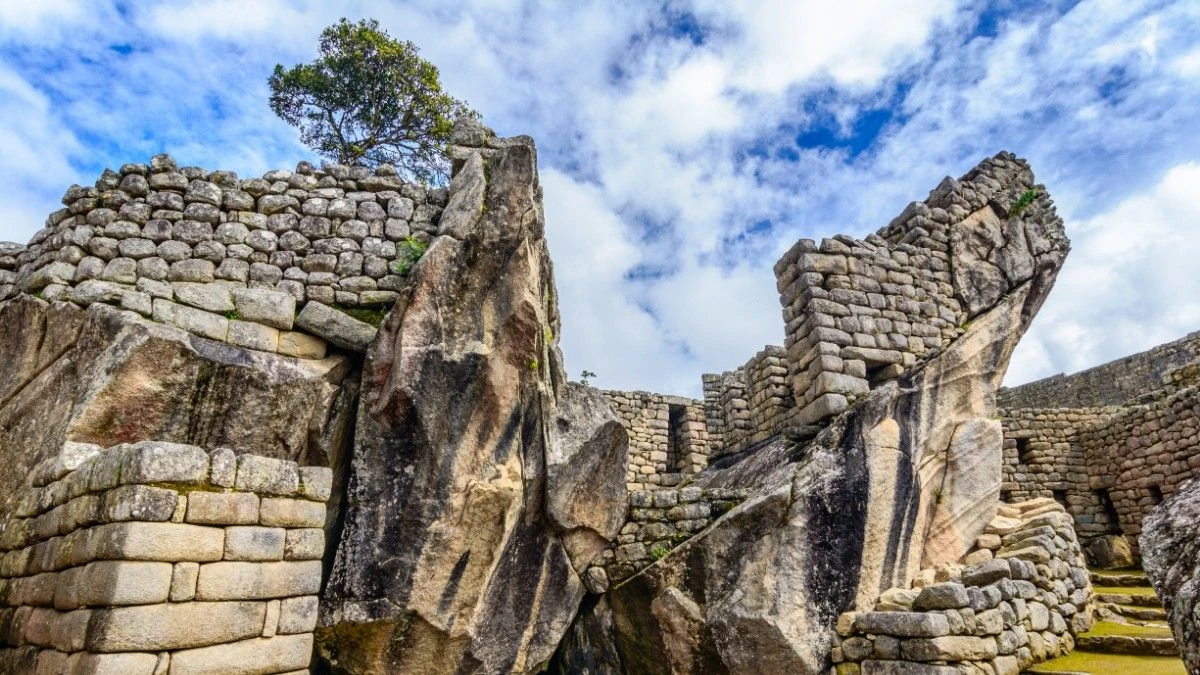
The architectural marvels of Machu Picchu are not just in its grand structures but also in the careful planning and integration with the natural landscape. The site’s design reflects a harmonious balance between human creativity and the natural world, a core principle of Inca philosophy. Visitors can marvel at the precision and artistry that went into crafting this magnificent city, a true wonder of the ancient world.
Visiting Machu Picchu requires careful planning to ensure a smooth and enjoyable experience. From choosing the right time to visit to navigating the logistics of getting there, preparing in advance can make your trip unforgettable. Here’s how to plan your adventure to this iconic site.
Timing is crucial when planning a trip to Machu Picchu. The best time to visit is during the dry season, from May to September, when the weather is more predictable and the skies are clearer. However, these months coincide with the peak tourist season, so expect larger crowds and higher prices. For a quieter experience, consider visiting in April or October, when the weather is still relatively dry but the number of visitors is lower, offering a more intimate experience with the site.
Weather in the Andes can be unpredictable, so be prepared for sudden changes. Even during the dry season, rain can occur, so packing appropriate clothing is essential. Additionally, consider the time of day you plan to visit. Early morning or late afternoon visits can offer a more serene atmosphere, as well as the chance to witness stunning sunrises or sunsets over the citadel.
Reaching Machu Picchu is an adventure in itself, offering travelers breathtaking views and a sense of anticipation. There are several ways to arrive at this iconic site, each offering its own unique experience.
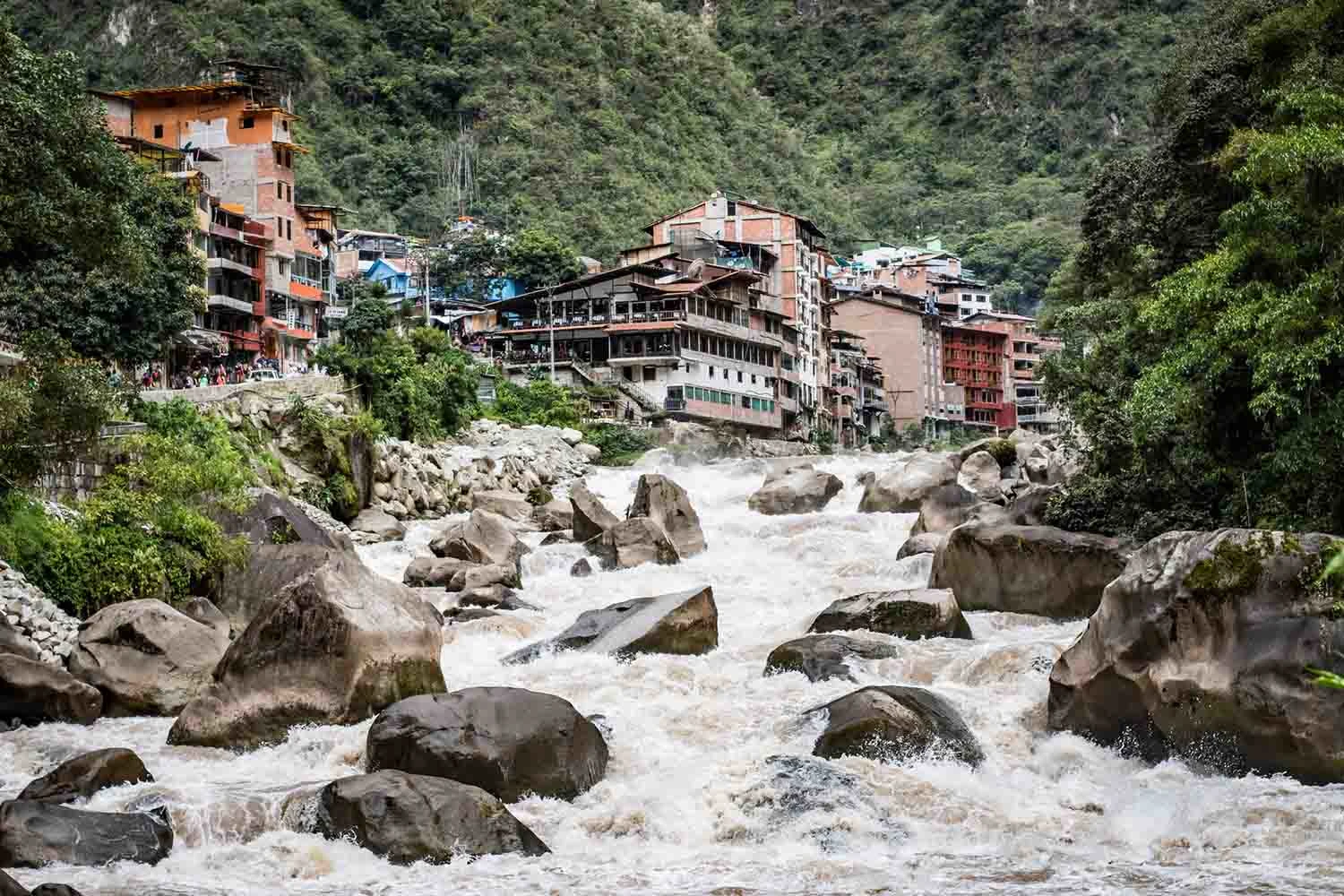
Most visitors begin their journey in Cusco, the former capital of the Inca Empire. From Cusco, you can take a scenic train ride to Aguas Calientes. Trains operated by PeruRail and Inca Rail wind through the Sacred Valley, offering stunning views of the Andean landscape, with snow-capped peaks and lush valleys. The train journey is an experience in itself, providing a glimpse into the region’s natural beauty and cultural heritage.
For those seeking a more economical option. Buses and shared taxis are available from Cusco to Ollantaytambo, where you can catch a train to Aguas Calientes. This route allows you to explore the charming town of Ollantaytambo. Regardless of the mode of transport, arriving in Aguas Calientes is an exciting milestone.
For the adventurous traveler, hiking the Inca Trail is a rewarding way to reach Machu Picchu. This multi-day trek takes you through stunning landscapes and ancient Inca ruins. In fact you will get in a sunrise arrival at the Sun Gate with a spectacular view of Machu Picchu. The trail is a journey through history, offering insights into the lives of the Incas and the natural beauty they revered.
Permits for the Inca Trail are limited and must be booked well in advance, often several months ahead, due to high demand. The trek requires a good level of fitness and preparation, as it involves challenging terrain and high altitudes. However, the effort is well worth it for the unique experience and the sense of accomplishment upon reaching Machu Picchu.
Altitude sickness is a common concern for travelers visiting Machu Picchu, as the site is located at an elevation of 7,970 feet (2,430 meters). To minimize the risk, it’s advisable to spend a few days acclimatizing in Cusco, which is at a higher altitude. This allows your body to adjust to the thinner air, reducing the likelihood of symptoms such as headaches and dizziness.
During your acclimatization period, stay hydrated and avoid strenuous activities. Drinking coca tea, a traditional remedy for altitude sickness, can help alleviate symptoms. It’s also wise to avoid alcohol and heavy meals, as they can exacerbate the effects of altitude. Taking these precautions can ensure a more comfortable and enjoyable visit to Machu Picchu.
Once you arrive at Machu Picchu, there are several ways to explore and experience the site. Guided tours are available and highly recommended, as they provide valuable insights into the history and significance of Machu Picchu. Knowledgeable guides can bring the ancient city to life, sharing stories and details that might otherwise go unnoticed.
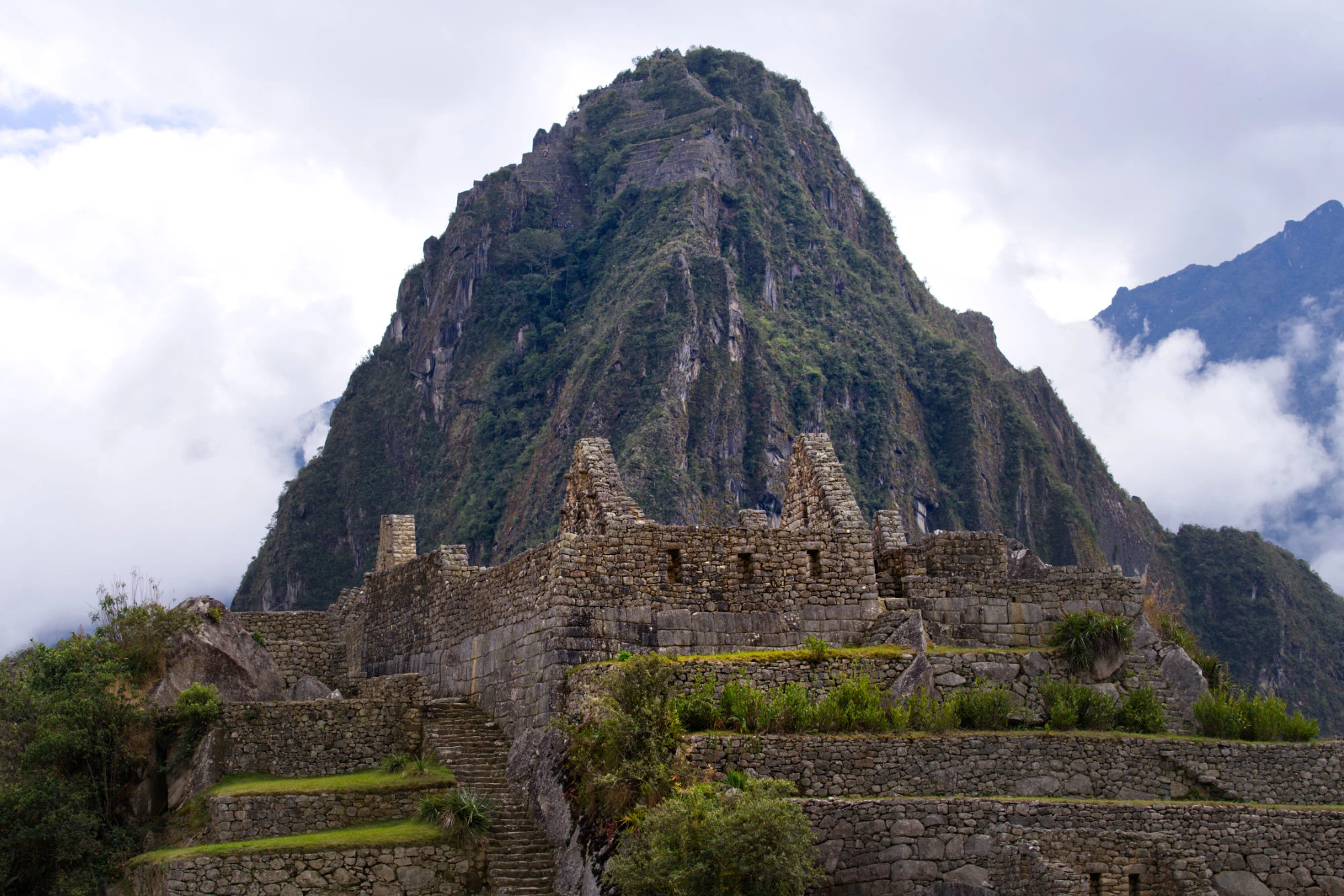
In addition to exploring the main citadel, consider hiking Huayna Picchu or Machu Picchu Mountain for panoramic views of the site and its breathtaking surroundings. These hikes require separate tickets, so be sure to book in advance. The climb is steep and challenging, but the reward is a stunning vista that offers a new perspective on the ancient city.
For those looking for a more leisurely experience, simply wandering through the ruins at your own pace can be equally rewarding. Take time to soak in the atmosphere, admire the craftsmanship, and reflect on the achievements of the Inca civilization. Whether you choose to explore with a guide or on your own, Machu Picchu promises to leave a lasting impression.
To make the most of your visit to Machu Picchu, it’s important to be well-prepared. From booking tickets to packing essentials, these practical tips will help ensure a smooth and enjoyable experience.
Tickets to Machu Picchu are limited to preserve the site, so it’s crucial to book well in advance, especially during the high season. Tickets can be purchased online through the official Machu Picchu website or through authorized travel agencies. Be sure to check the availability of additional tickets for hikes, such as Huayna Picchu or Machu Picchu Mountain, as these also sell out quickly.
When visiting Machu Picchu, packing light but being prepared for varying weather conditions is key. Essentials include comfortable hiking shoes, a rain jacket, sunscreen, a hat, and a reusable water bottle. The weather can change rapidly, so dressing in layers is recommended. A small daypack is ideal for carrying your belongings while exploring the site.
Machu Picchu is a UNESCO World Heritage Site and holds deep cultural and spiritual significance. Visitors are encouraged to respect the site by not littering, staying on designated paths, and refraining from climbing on the ruins. Following the guidance of your tour guide and adhering to the site’s rules helps preserve this historical treasure for future generations.
Being mindful of your impact on the environment and the cultural heritage of Machu Picchu is crucial. Photography is permitted, but the use of drones and tripods is restricted to protect the integrity of the site. By showing respect and appreciation for this ancient wonder, you contribute to its preservation and the continued enjoyment of future visitors.
Visiting Machu Picchu is a once-in-a-lifetime experience that offers a glimpse into the rich history and ingenuity of the Inca civilization. By planning your trip carefully and respecting the site’s cultural significance, you can make the most of your journey to this awe-inspiring wonder of the world. Whether you arrive by train or trek the Inca Trail, Machu Picchu promises to leave you with unforgettable memories and a deeper appreciation for the marvels of the ancient world.
The magic of Machu Picchu lies not only in its stunning architecture and breathtaking landscapes but also in the stories it holds and the mysteries it continues to reveal. As you stand among the ruins, you’ll find yourself transported back in time, connecting with the spirit of the Incas and the grandeur of their achievements. Machu Picchu is more than a destination; it’s an experience that enriches the soul and ignites the imagination.