
Exploring the Ollantaytambo ruins is like stepping into a time machine that transports you to the heart of the Inca Empire. The site is a sprawling complex of terraces, temples, and fortifications, each with its own story to tell. Visitors often find themselves awed by the sheer scale and sophistication of the structures. Wich offer a glimpse into the advanced architectural and engineering techniques of the Incas.
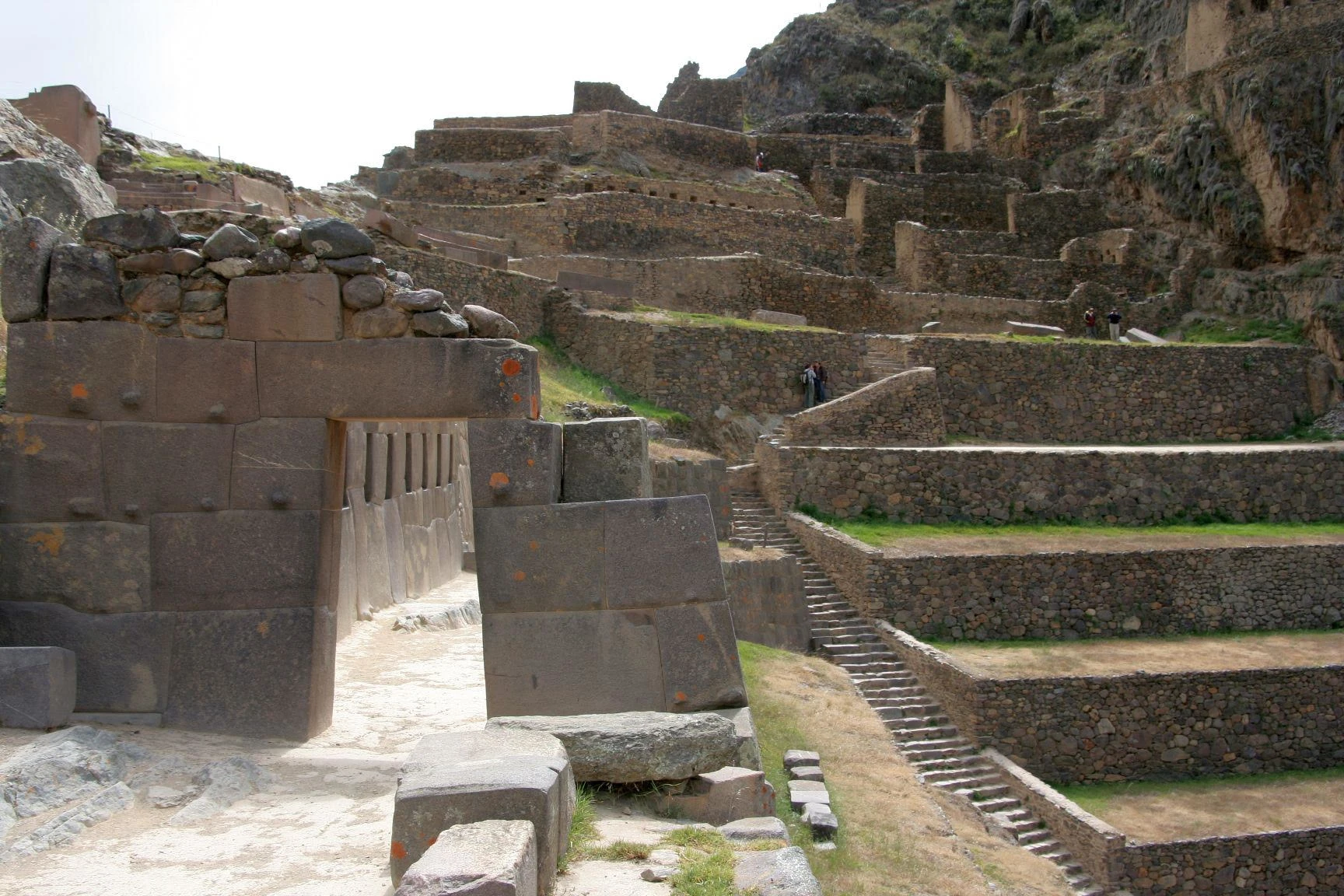
The Ollantaytambo ruins are a significant archaeological site, reflecting the grandeur of Inca architecture. These ruins served both as a fortress and a religious center during the Inca Empire. As you wander through the site, you’ll notice the precision of the stonework. The massive stones, some weighing several tons, fit together seamlessly without the use of mortar.
The layout of the ruins also provides insight into the dual function of the site as both a military stronghold and a place of worship. The strategic positioning of the fortress on a hill overlooking the Sacred Valley suggests its importance in defending the empire against invaders. Meanwhile, the presence of ceremonial spaces and altars highlights the spiritual significance of Ollantaytambo as a center of Inca culture and religion.
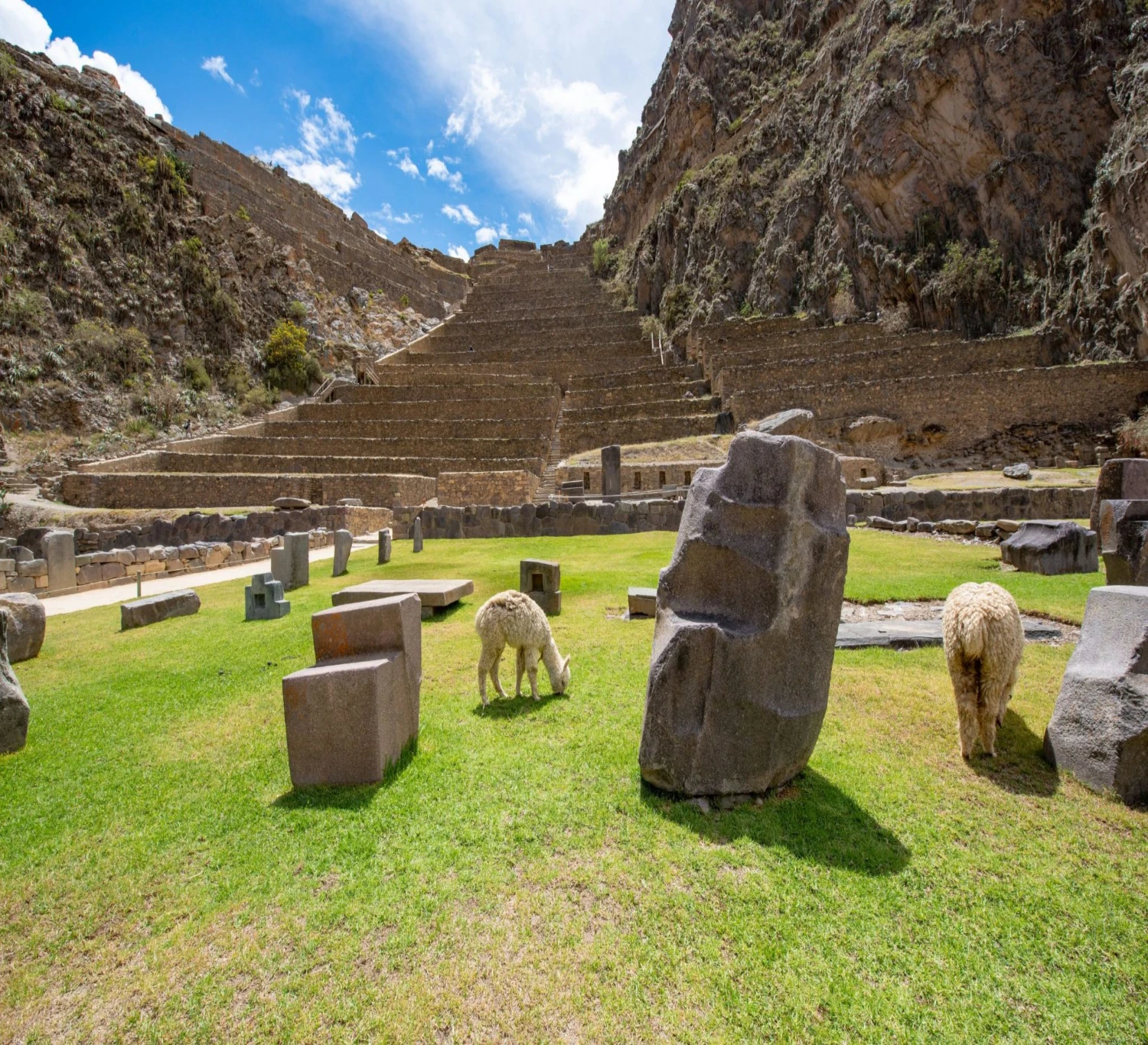
One of the standout features of the ruins is the Temple of the Sun. This sacred site was strategically built to align with the sun during the winter solstice. It’s a powerful reminder of their spiritual and scientific advancements. The temple’s construction is particularly impressive, with its massive monolithic stones that were transported from a quarry several kilometers away.
Visitors are often struck by the energy and atmosphere of the Temple of the Sun, which seems to resonate with the echoes of ancient rituals and ceremonies. The temple’s alignment with celestial events demonstrates the Incas’ deep understanding of astronomy and their ability to integrate this knowledge into their architectural designs. This fusion of science and spirituality is a hallmark of Inca civilization and is beautifully exemplified in the Temple of the Sun.
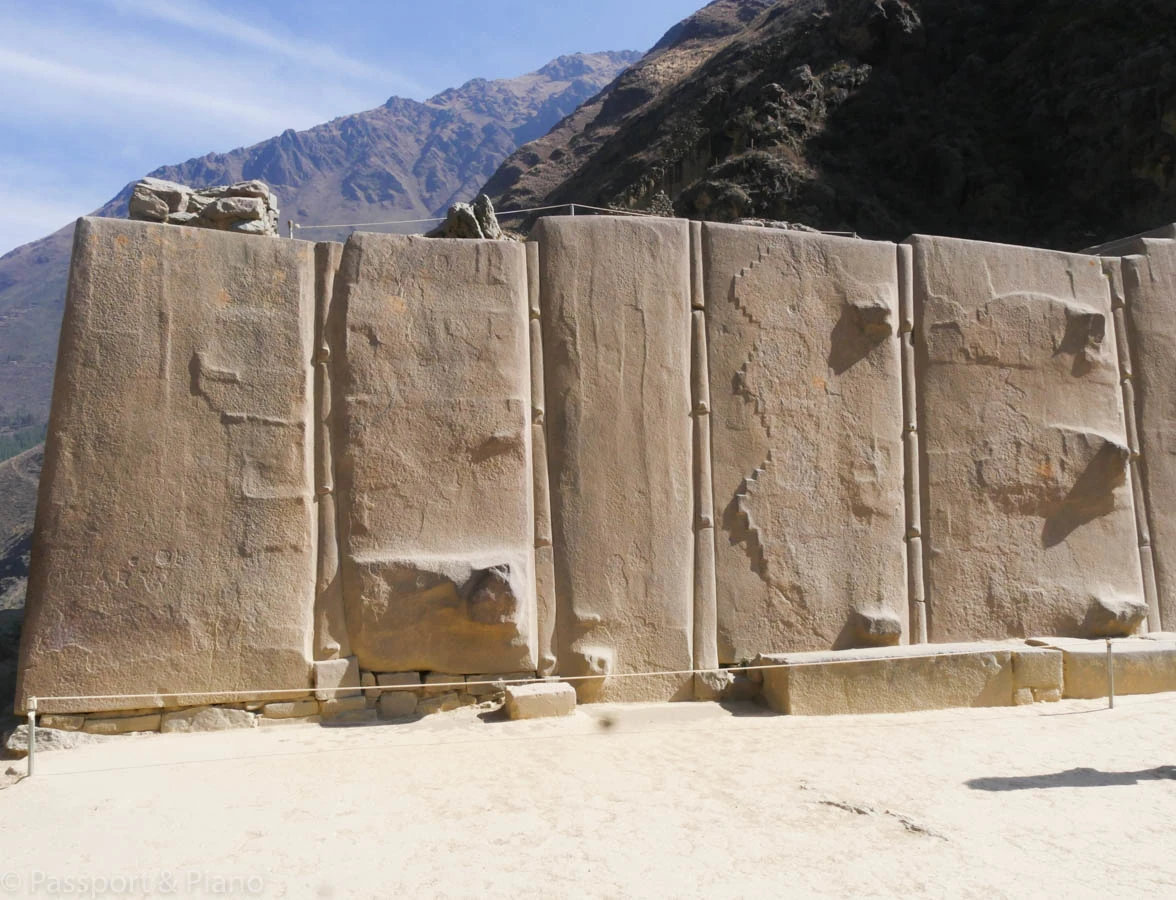
The terraces at Ollantaytambo are not just for show; they were a vital part of the Inca’s agricultural practices. These terraces allowed the Incas to farm in the steep Andean slopes and are still used by local farmers today. The innovative design of the terraces enabled efficient water drainage and soil conservation, which were crucial for sustaining agriculture in the challenging mountain environment.
The terraces also represent the Incas’ ability to adapt to their surroundings and make the most of the land available to them. By creating a series of microclimates on the terraces, they were able to cultivate a diverse range of crops, ensuring food security for their people. Today, these terraces continue to serve as a testament to the ingenuity and resourcefulness. In fact offering visitors a chance to reflect on the enduring legacy of their agricultural practices.
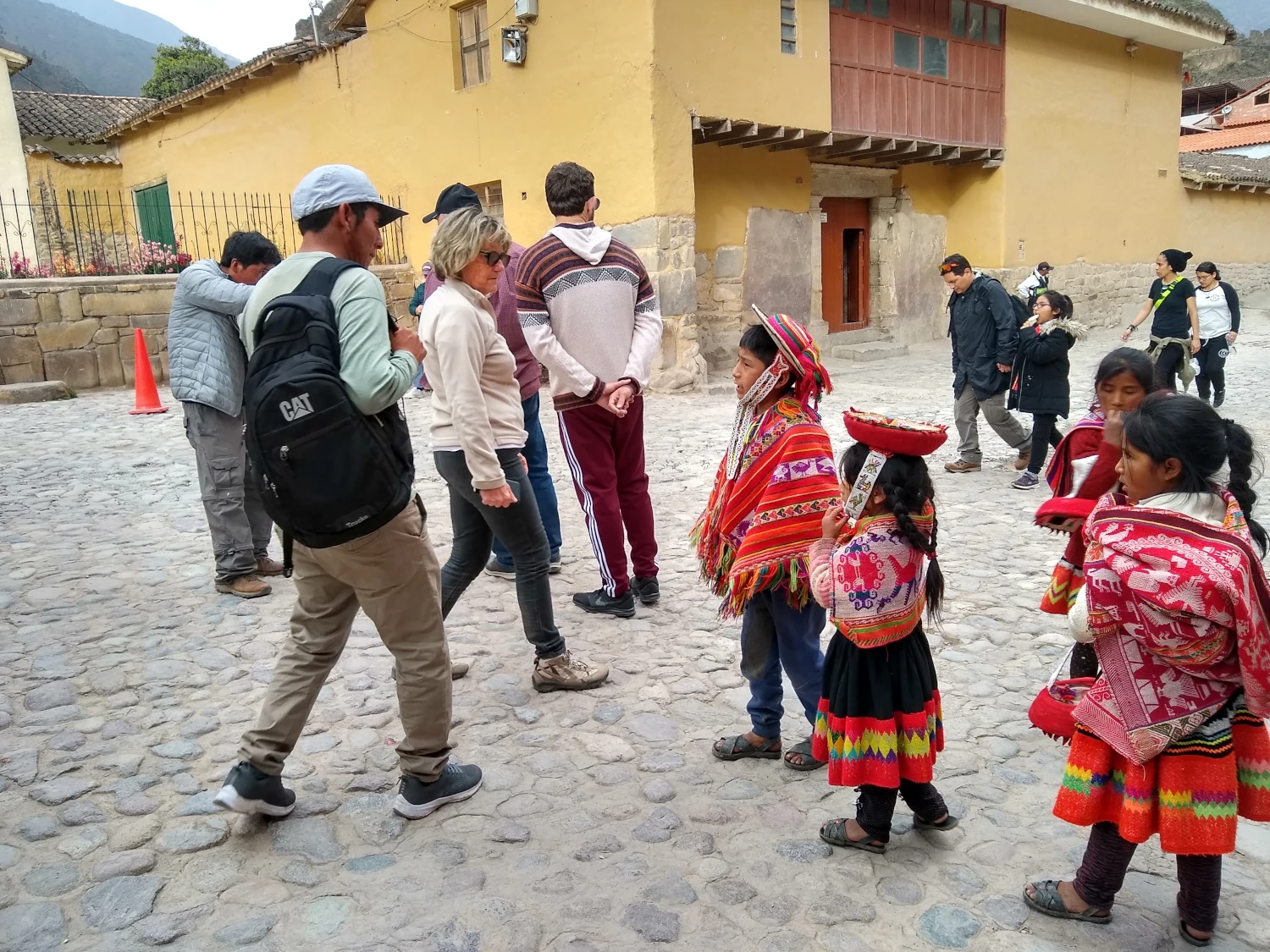
Beyond the ruins, Ollantaytambo is a vibrant town brimming with attractions that offer a deeper understanding of Inca culture and the daily life of its inhabitants. The town itself is a living museum, with its narrow cobbled streets, traditional buildings, and bustling markets that capture the essence of Andean life.
Ollantaytambo itself is a living museum. The town is one of the best-preserved Inca settlements, with cobbled streets and traditional buildings. Walking through the town offers a glimpse into the daily lives of its residents and provides a sense of stepping back in time. The town’s layout remains largely unchanged since Inca times. The canchas (blocks) still defined by original stone walls and central courtyards.
As you explore, you’ll encounter locals dressed in traditional attire, going about their daily routines much like their ancestors did centuries ago. This continuity of culture and tradition is one of the most captivating aspects of Ollantaytambo. The town’s vibrant atmosphere, combined with its historical significance. Makes it a unique destination that captures the imagination of travelers from around the world.
The bustling market in Ollantaytambo is a vibrant place to experience local culture. Here, you can find handmade crafts, textiles, and fresh produce. It’s a perfect spot to pick up souvenirs and taste local delicacies. The market is a sensory feast, with its colorful displays of woven fabrics, intricate jewelry, and aromatic spices that fill the air.
Interacting with the vendors provides an opportunity to learn about traditional Andean crafts and the cultural significance of various products. Many of the items sold are crafted using techniques passed down through generations, reflecting the rich heritage of the region. Sampling local foods, such as choclo con queso (corn with cheese) or empanadas, offers a delicious taste of traditional Andean cuisine, adding another layer to your cultural experience in Ollantaytambo.
Ollantaytambo is also a hub of cultural activities and festivals that showcase the vibrant traditions of the Andes. Throughout the year, the town hosts a variety of events, from music and dance performances to religious celebrations that draw visitors from near and far. These festivals provide a unique opportunity to witness the living traditions of the Inca descendants and participate in the joyous festivities.
One of the most significant events is the Inti Raymi, the Festival of the Sun, which takes place in June. This ancient Inca celebration honors the sun god Inti and marks the winter solstice in the Southern Hemisphere. The festival features colorful parades, traditional music, and elaborate ceremonies, offering a captivating glimpse into the spiritual life of the Incas. Participating in these cultural events allows visitors to connect with the local community and gain a deeper appreciation for the rich cultural tapestry of Ollantaytambo.
Ollantaytambo serves as a gateway to a network of trails that wind through the breathtaking landscapes of the Andes. These trails offer a unique opportunity to explore the natural beauty of the region while experiencing the historical and cultural richness of the Sacred Valley.
Many visitors use Ollantaytambo as a starting point for the Inca Trail. This world-famous hike is a challenging yet rewarding experience, taking you through stunning landscapes and historical sites before reaching Machu Picchu. Make sure to book your trail pass in advance, as spots are limited. The trail winds through diverse ecosystems, from cloud forests to alpine tundra, offering breathtaking views at every turn.
If the Inca Trail isn’t for you, there are several other trails around Ollantaytambo. Meeting new breathtaking views and a taste of adventure. The Lares Trek and Salkantay Trek are popular alternatives, each providing a unique perspective of the region’s natural beauty.
For those with limited time or who prefer less strenuous activities, there are plenty of day hikes and short walks around Ollantaytambo. These trails offer a more relaxed way to explore the region, with options ranging from gentle walks along the Urubamba River to scenic hikes up to the Pinkuylluna ruins.
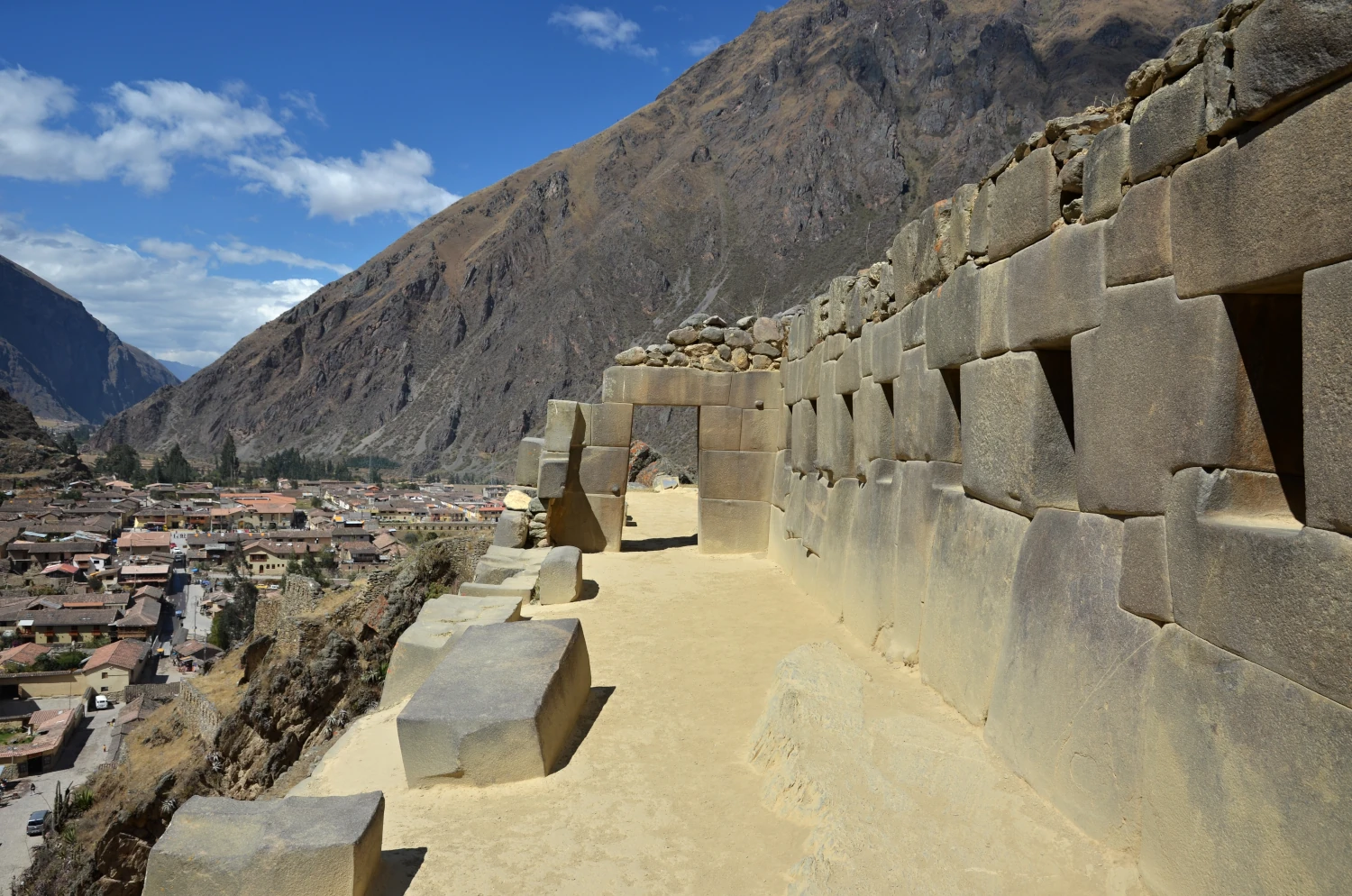
Altitude sickness is a common concern for travelers to Ollantaytambo and Machu Picchu. The town sits at an elevation of approximately 2,792 meters (9,160 feet). To minimize the effects of altitude sickness, it’s important to acclimate properly by spending a few days in the Sacred Valley before attempting any strenuous activities.
Stay Hydrated, Take It Easy, Consider Medication, and Eat a Balanced Diet.
In addition to conventional methods, there are several natural remedies and practices that can aid in acclimatization. Coca leaves, for example, have been used for centuries by indigenous Andean cultures to alleviate symptoms of altitude sickness.
Ollantaytambo is accessible via a scenic train ride from Cusco or by road through the Sacred Valley. Both options offer stunning views of the Peruvian Andes. The train ride is particularly popular, providing a comfortable and picturesque journey through the heart of the Sacred Valley.
The best time to visit Ollantaytambo is during the dry season, from May to September. During these months, the weather is pleasant, with clear skies ideal for exploring the ruins and surrounding trails.
Yes, guided tours are available and highly recommended for those interested in learning more about the history and significance of the Ollantaytambo ruins.
Many tours offer a combined package that includes a visit to Ollantaytambo followed by a trip to Machu Picchu. This is an efficient way to experience both sites while making the most of your time in Peru.
For those seeking a more unique experience, specialty and adventure tours offer an alternative way to explore Ollantaytambo and its surroundings.
Ollantaytambo is more than just a stopover on the way to Machu Picchu. It is a destination rich in history, culture, and natural beauty. By immersing yourself in the history and culture of Ollantaytambo, you’ll gain a deeper appreciation. Visualizing Inca civilization and the enduring traditions of the Andean people.