
To appreciate the Sacred Valley’s allure, one must first understand its historical context. The valley runs roughly parallel to the Urubamba River and was of great importance to the Incas due to its fertile plains. These lands were ideal for agriculture, which played a crucial role in sustaining the Inca civilization.
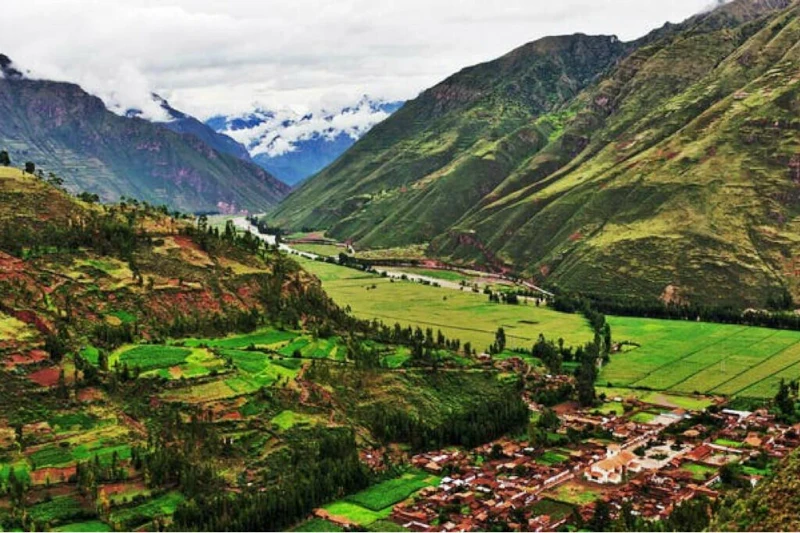
The Sacred Valley was not just an agricultural hub but also a spiritual and political center for the Incas. The Incas believed the valley was a reflection of the Milky Way, and its alignment with celestial bodies held profound spiritual significance. Temples and shrines within the valley were strategically placed to align with the stars, revealing the Incas’ deep connection with astronomy.
The fertile soils of the Sacred Valley made it the breadbasket of the Inca Empire. The Incas developed advanced agricultural techniques, such as terracing and irrigation systems, that maximized productivity. These innovations not only supported the empire’s population but also facilitated trade with neighboring regions, helping to establish a robust economy.
Today, the Sacred Valley remains a vibrant cultural hub where ancient Inca traditions are preserved and celebrated. Festivals, traditional markets, and artisanal crafts reflect a rich cultural heritage that has been passed down through generations. Visitors have the opportunity to engage with local communities and participate in cultural exchanges, deepening their understanding of the region’s history and traditions.
One of the first considerations for travelers is the altitude. The Sacred Valley sits at an altitude of about 2,800 meters (9,186 feet), which is lower than Cusco, making it an excellent place to acclimate and prevent altitude sickness. The valley’s geography is marked by its stunning terraced hillsides and snow-capped peaks, creating a picturesque backdrop for your explorations.
Travelers should be aware of the potential effects of high altitude, such as shortness of breath and fatigue. To acclimate, it’s advisable to spend the initial days at a lower altitude in the Sacred Valley before venturing to higher elevations like Machu Picchu or Cusco. Gentle activities and plenty of rest can help your body adjust to the altitude.
The Sacred Valley is a haven for nature lovers, with its diverse landscapes ranging from lush valleys to towering mountains. Hiking trails abound, offering spectacular views of the Andes and the opportunity to witness the region’s unique flora and fauna. The valley’s natural beauty is a testament to the harmonious relationship between the Inca civilization and their environment.
The climate in the Sacred Valley varies with the seasons, influencing the best time to visit. The dry season, from May to September, is ideal for outdoor activities, with clear skies and cooler temperatures. The wet season, from November to March, brings lush greenery and fewer crowds, though travelers should be prepared for occasional rain showers.
When planning your Sacred Valley tour, certain destinations stand out for their historical and cultural significance.
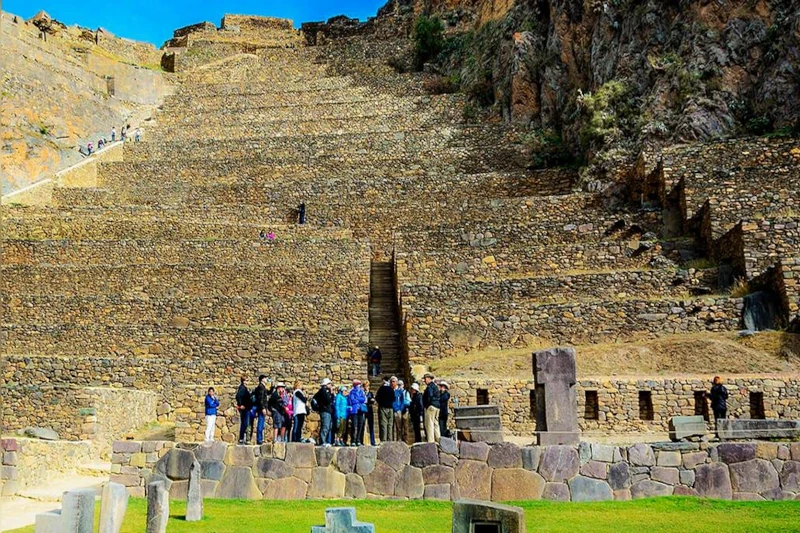
Ollantaytambo is a living example of Inca town planning. The town’s narrow cobblestone streets have been continuously inhabited since the 13th century. The fortress of Ollantaytambo, with its massive stone terraces, was a strategic military, religious, and agricultural center. As you explore the ruins, imagine the fierce battles fought here during the Spanish conquest.
The architecture of Ollantaytambo is a testament to the engineering prowess of the Incas. Massive stone blocks, expertly cut and fitted without mortar, showcase the Incas’ advanced construction techniques. The precision and durability of these structures have withstood centuries, offering a glimpse into the sophisticated skills of the Inca builders.
Ollantaytambo is unique as a living town where ancient traditions coexist with modern life. Residents still use traditional farming methods and participate in communal activities reminiscent of Inca times. Walking through the town, visitors can observe daily life and perhaps join in local festivities, experiencing a slice of history firsthand.
The fortress at Ollantaytambo was more than a defensive structure; it was a symbol of Inca resistance. During the Spanish conquest, it served as a stronghold for Manco Inca, who led a successful resistance against Spanish forces. The strategic location of the fortress allowed the Incas to control the surrounding valley and defend their territory.
Pisac is renowned for its vibrant market and impressive archaeological site. The Pisac market is a feast for the senses, offering everything from traditional Andean textiles to fresh produce. Above the town, the Pisac ruins provide a glimpse into the sophisticated agricultural practices of the Incas, featuring terraces that cascade down the mountainside.
The Pisac market is a bustling hub of activity, where locals and tourists mingle in search of unique handicrafts and local delicacies. Artisans display their wares, from colorful textiles and intricate jewelry to handmade pottery. The market is also an excellent place to sample traditional Andean dishes and interact with local vendors.
The terraces of Pisac are a marvel of Inca agricultural innovation. These terraces were designed to create microclimates, allowing the Incas to grow a variety of crops at different altitudes. The engineering precision required to construct these terraces demonstrates the Incas’ profound understanding of their environment.
Pisac’s archaeological site holds spiritual significance, with temples and ceremonial areas scattered across the mountain. The Intihuatana, or “Hitching Post of the Sun,” is a sacred stone structure believed to have astronomical and religious importance. Visitors can explore these spiritual sites, gaining insight into the Inca’s religious beliefs and practices.
Chincheros, often referred to as the “birthplace of the rainbow,” is a small Andean village that offers a rich blend of Inca and colonial influences. The town is famous for its Sunday market and traditional weaving practices. Visit the Chincheros Church, built atop an Inca palace, to witness the fusion of Inca and Spanish architecture.
Chincheros is renowned for its textile artistry, with weaving techniques passed down through generations. Local women demonstrate the intricate process of spinning, dyeing, and weaving, using natural dyes derived from plants and minerals. Visitors can participate in workshops, learning about the cultural significance of textiles in Andean communities.
The Chincheros Church is a striking example of the fusion between Inca and Spanish architectural styles. Built on the foundations of an Inca palace, the church features a blend of indigenous and colonial elements. Frescoes and altars within the church depict this cultural synthesis, reflecting the complex history of the region.
Chincheros is a vibrant center of cultural celebrations, with festivals that honor both Inca and Catholic traditions. Music, dance, and traditional costumes are integral to these festivities, which often coincide with important agricultural cycles. Participating in these celebrations offers travelers a deeper appreciation of the community’s cultural heritage.
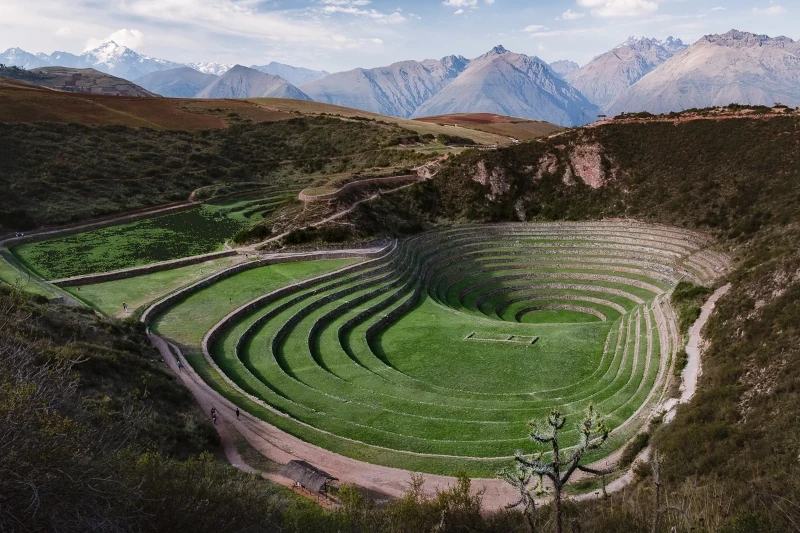
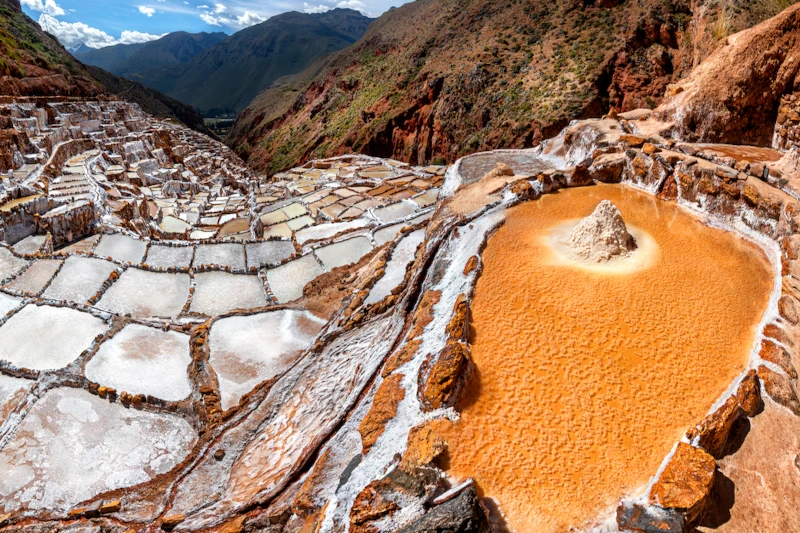
The agricultural terraces of Moray reveal the Inca’s advanced understanding of microclimates. These circular terraces were likely used for agricultural experimentation. Nearby, the Maras salt mines, or salineras, are a striking sight. Thousands of salt pans have been used since pre-Inca times to harvest salt from the mountain spring.
Moray’s concentric terraces represent a sophisticated agricultural laboratory. The varying temperatures at each level allowed the Incas to simulate different climatic conditions, cultivating diverse crops. This experimentation provided valuable insights into crop adaptation and contributed to the Inca’s agricultural success.
The Maras salt mines are a testament to the ingenuity of pre-Inca civilizations. The intricate network of salt pans, fed by a natural spring, allows for the sustainable extraction of salt through evaporation. Visitors can observe the traditional harvesting methods and even purchase artisanal salt as a unique souvenir.
The landscapes surrounding Moray and Maras are breathtaking, with rolling hills and panoramic views of the Andes. The contrasting colors of the salt pans against the natural backdrop create a stunning visual spectacle. Photographers and nature enthusiasts will find these sites particularly captivating, offering countless opportunities for memorable snapshots.
A well-planned itinerary maximizes your experience of the Sacred Valley’s wonders.
Begin your journey in Cusco, the former capital of the Inca Empire. From here, head to Pisac to explore the market and ruins. Continue to Ollantaytambo, where you can spend the night in this charming town, soaking in the historic atmosphere.
Start your day early to fully immerse yourself in the Pisac market’s vibrant atmosphere. Wander through the stalls, engaging with artisans and sampling local delicacies. Afterward, venture to the Pisac archaeological site, where a guided tour can enhance your understanding of the Inca’s agricultural and spiritual practices.
After exploring Pisac, travel to Ollantaytambo, where history comes alive in its cobblestone streets and ancient ruins. Spend the afternoon exploring the fortress, imagining the strategic battles that unfolded here. As evening falls, relax in one of Ollantaytambo’s cozy accommodations, enjoying the tranquil ambiance of the Andean night.
In the evening, take a leisurely stroll through Ollantaytambo, savoring the local cuisine at a traditional Andean restaurant. The town’s charm is enhanced by the surrounding mountains, providing a serene backdrop as you unwind from a day of exploration. Engage with locals to learn more about the town’s history and traditions.
After a morning in Ollantaytambo, travel to Chincheros to explore its market and the church. In the afternoon, visit the terraces of Moray and the salt mines of Maras. Return to Cusco or stay overnight in the Sacred Valley.
Begin your day with a visit to Chincheros, immersing yourself in the town’s vibrant market. Observe the masterful weaving demonstrations, learning about the cultural significance of textiles. The Chincheros Church offers a unique blend of Inca and colonial architecture, providing insight into the region’s complex history.
In the afternoon, head to Moray to explore the enigmatic circular terraces. A guided tour can reveal the agricultural innovations of the Incas and their understanding of microclimates. Nearby, the Maras salt mines offer a fascinating glimpse into traditional salt extraction methods, with the opportunity to witness the intricate process firsthand.
Depending on your preference, you can return to Cusco in the evening or choose to stay overnight in a nearby village. An overnight stay allows for a more relaxed pace, offering the chance to experience the Sacred Valley’s nighttime tranquility. Engage in a cultural exchange with locals, enhancing your understanding of their way of life.
Consider a guided Sacred Valley tour to explore lesser-known sites and learn more about the valley’s history and culture. This could include visits to local communities and workshops to see traditional crafts in action.
A guided tour can uncover hidden gems within the Sacred Valley, taking you to lesser-known archaeological sites and scenic viewpoints. Knowledgeable guides share stories and insights that bring the valley’s history to life, enriching your understanding of the region’s cultural significance.
Visits to local communities provide a deeper connection with the people of the Sacred Valley. Participate in workshops to learn traditional crafts such as pottery, weaving, or cooking. These hands-on experiences offer a unique perspective on daily life and the preservation of cultural traditions.
As your Sacred Valley adventure concludes, take time to reflect on the experiences and insights gained. The valley’s rich history and vibrant culture leave a lasting impression, inspiring a deeper appreciation for the Inca civilization and the enduring legacy of their descendants. Consider keeping a travel journal to capture your memories and reflections.
A reliable Sacred Valley map is essential for navigating the region. While many sites are accessible by public transport, hiring a private driver or joining a tour can provide more flexibility and insight into the area’s history and culture.
The Sacred Valley is accessible by various modes of transportation, including buses, taxis, and trains. For greater flexibility, consider hiring a private driver who can tailor the journey to your interests and provide local insights. Organized tours offer the convenience of guided exploration, ensuring you don’t miss any key attractions.
When planning your route, consider the proximity of sites to minimize travel time and maximize exploration. A well-structured itinerary allows for leisurely visits to each destination, providing ample time to absorb the valley’s beauty and history. Use a map to identify key attractions and plan your journey accordingly.
Engaging with locals can enhance your travel experience, offering unique perspectives and recommendations. Ask for directions, restaurant suggestions, or hidden spots off the beaten path. Locals often have valuable insights into the best times to visit certain sites, cultural events, or lesser-known attractions.
Given the high altitude, it’s advisable to spend your first day in the Sacred Valley acclimating. Stay hydrated, avoid heavy meals initially, and consider coca tea to help with altitude adjustment. Always consult with a healthcare professional if you have concerns about altitude sickness.
Altitude sickness can affect anyone, regardless of age or fitness level. Symptoms may include headaches, dizziness, and nausea. To prevent altitude sickness, take it easy during your first days, hydrate frequently, and listen to your body’s needs. If symptoms persist, seek medical advice promptly.
Staying hydrated is crucial at high altitudes, where dehydration can exacerbate altitude sickness symptoms. Drink plenty of water and avoid excessive caffeine or alcohol. Opt for light, nutritious meals to support your body’s adjustment, incorporating local ingredients to experience the region’s culinary flavors.
Coca tea, a traditional Andean remedy, can aid acclimatization by alleviating some symptoms of altitude sickness. It’s readily available in local cafes and accommodations. Additionally, consult with a healthcare professional before traveling, particularly if you have pre-existing health conditions that may be affected by high altitude.
Understanding local customs enriches your travel experience.
While Spanish is widely spoken, Quechua remains an important language in the Sacred Valley. Learning a few Quechua phrases can enhance your interactions with locals and show respect for their cultural heritage.
Familiarize yourself with basic Spanish and Quechua phrases to facilitate communication and show respect for local culture. Simple greetings, expressions of gratitude, and polite questions can go a long way in building rapport with locals. Language guides or apps can be helpful tools for learning on the go.
Respect for cultural differences is key to a positive travel experience. Approach interactions with an open mind and a willingness to learn. Understanding local customs and traditions can prevent misunderstandings and foster meaningful connections with the people you encounter.
Non-verbal cues, such as gestures and facial expressions, play an important role in communication. Be aware of cultural differences in body language and personal space. A friendly smile and respectful demeanor can bridge language barriers and create a welcoming atmosphere.
Always ask permission before photographing individuals, particularly in traditional attire. Some communities may have restrictions on photography, so it’s important to be respectful of local customs.
Photography can capture the essence of your travel experience, but it’s crucial to seek permission before photographing people, especially in traditional settings. Respect individuals’ privacy and cultural beliefs by asking politely and accepting their response graciously.
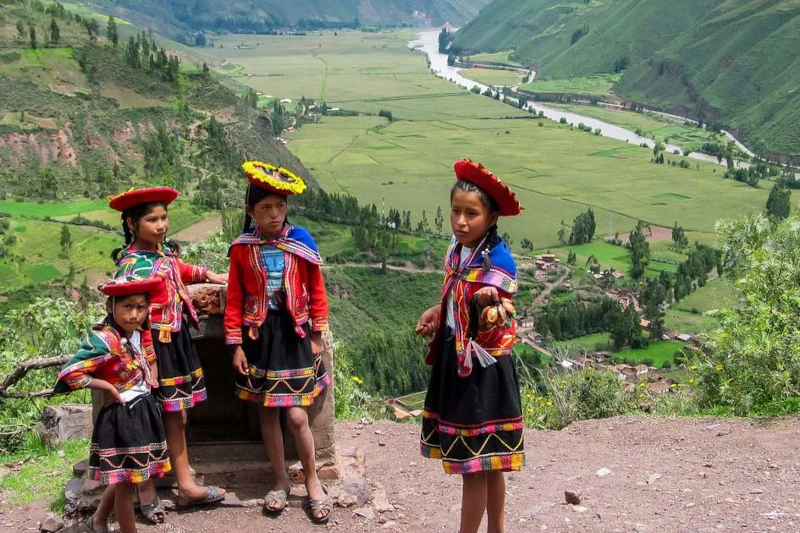
Understand the cultural significance of certain attire or ceremonies, and be mindful of when and where it’s appropriate to take photos. Some communities may hold specific events or rituals that are not open to outsiders, so it’s essential to respect their wishes and adhere to any guidelines provided.
Practice ethical photography by being considerate of your subjects and their environment. Avoid intrusive or disruptive behavior, and prioritize the well-being and dignity of the people you photograph. Share your photos responsibly, ensuring they reflect the cultural context accurately and respectfully.
The Sacred Valley offers a profound connection to the past, allowing travelers to walk in the footsteps of the Incas and experience the vibrant cultures that continue to thrive in this remarkable region. By following this itinerary and embracing the cultural insights shared, your journey will be one of discovery, reflection, and inspiration.
Remember, the Sacred Valley is not just a destination; it’s an invitation to immerse yourself in a rich tapestry of history and culture. Safe travels, and may your adventures in the Sacred Valley be as transformative as they are unforgettable.
As you conclude your journey through the Sacred Valley, take time to reflect on the transformative experiences and knowledge gained. The valley’s history and cultural richness offer valuable lessons about resilience, innovation, and community, inspiring reflection on your own life’s journey.