
Are you ready to embark on an unforgettable journey through Peru’s enchanting Sacred Valley? This stunning region, nestled between the magnificent Andes mountains, offers a glimpse into the heartland of the ancient Inca Empire. From the breathtaking landscapes to the rich cultural heritage, the Sacred Valley is a treasure trove waiting to be discovered. In this guide, we’ll provide you with everything you need to know to plan a remarkable adventure.
The Sacred Valley of the Incas is a must-visit destination for anyone traveling to Peru. It’s a place where history, culture, and nature seamlessly blend to create an extraordinary experience. Whether you’re a corporate executive looking for a relaxing escape, a freelance photographer seeking picturesque landscapes, or an academic researcher in search of cultural insights, the Sacred Valley has something for everyone.
Steeped in history, the Sacred Valley is home to ancient Inca ruins, traditional villages, and vibrant markets. As you explore the region, you’ll encounter archaeological sites like Pisac and Ollantaytambo, which offer fascinating insights into the Inca civilization. The well-preserved terraces, temples, and stone structures tell the story of a bygone era, making it a paradise for history enthusiasts.
The Inca Empire was one of the largest and most sophisticated civilizations in the Americas, and the Sacred Valley was at its heart. The architectural ingenuity of the Incas is evident in their meticulously constructed stonework that has withstood the test of time. Walking through these historical sites, one can almost feel the presence of the ancient people who once thrived here. The stories these ruins tell are not only about the past but also about the enduring legacy of the Inca culture.
In addition to the major archaeological sites, the Sacred Valley is dotted with lesser-known ruins and relics that offer a more intimate glimpse into the daily lives of the Incas. Exploring these hidden gems can be a rewarding experience, providing a deeper understanding of the intricate social and political structures that once governed the region. It’s a journey into a world where history comes alive with every step you take.
Surrounded by majestic mountains and lush green valleys, the Sacred Valley’s natural beauty is nothing short of awe-inspiring. The diverse landscapes provide endless opportunities for outdoor activities, from hiking the renowned Inca Trail to exploring the unique salt ponds of Maras and the agricultural terraces of Moray.
The Andean peaks that cradle the Sacred Valley are a sight to behold, their snow-capped summits piercing the sky. The valley floor is a tapestry of verdant fields, meandering rivers, and vibrant wildflowers. This dramatic backdrop creates a perfect setting for adventure seekers and nature lovers alike. The region’s biodiversity is remarkable, with flora and fauna that are unique to this part of the world.
Outdoor enthusiasts will find no shortage of activities to indulge in. From trekking through cloud forests to horseback riding along ancient paths, the Sacred Valley offers a myriad of ways to connect with nature. The peaceful ambiance and pristine environment provide an ideal escape from the hustle and bustle of modern life. Whether you’re scaling a mountain or simply enjoying a leisurely walk, the valley’s beauty will leave you in awe.
The Sacred Valley is a living testament to Peru’s rich cultural heritage. The local communities maintain their traditional way of life, offering visitors a chance to immerse themselves in the vibrant Andean culture. Engage with the warm-hearted locals, witness traditional ceremonies, and explore the colorful markets to truly appreciate the spirit of the Sacred Valley.
The people of the Sacred Valley are the heart and soul of the region. Their customs, traditions, and way of life are deeply rooted in Inca heritage and have been preserved through generations. Participating in community festivals and ceremonies offers a unique opportunity to witness these traditions firsthand. From vibrant dances to sacred rituals, these events provide a deeper understanding of the cultural fabric of the Andes.
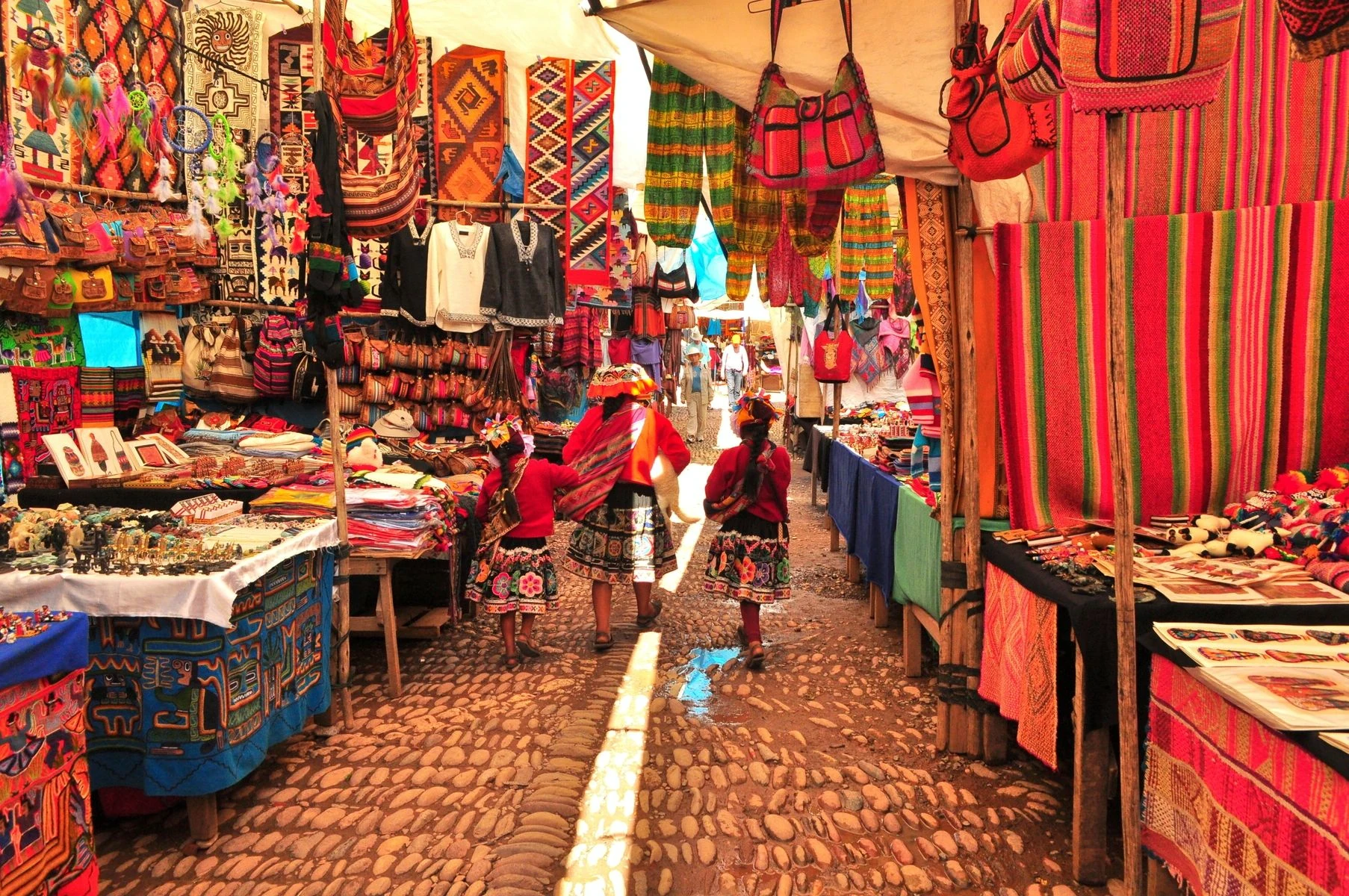
Markets in the Sacred Valley are a feast for the senses. Bursting with colors, aromas, and sounds, they offer a glimpse into the daily lives of the locals. Here, you can find handcrafted textiles, intricate jewelry, and traditional pottery, each piece telling a story of its own. Engaging with artisans and traders not only supports local economies but also enriches your travel experience with personal connections.
Language plays a significant role in cultural immersion. While Spanish is widely spoken, Quechua, the language of the Incas, is still prevalent in many communities. Learning a few phrases in Quechua can go a long way in building rapport with the locals and showing respect for their heritage. It’s a simple gesture that can lead to meaningful exchanges and unforgettable experiences.
To ensure a seamless and enjoyable experience, careful planning is essential. Here’s a step-by-step guide to help you organize your Sacred Valley tour.
The ideal time to explore the Sacred Valley is during the dry season, from May to September. This period offers pleasant weather, clear skies, and optimal conditions for outdoor activities. However, keep in mind that this is also the peak tourist season, so booking in advance is recommended.
Visiting during the dry season means you’ll have the best chance of experiencing the valley in all its glory. The weather is generally sunny and dry, making it perfect for outdoor adventures and photography. The vibrant landscapes are at their most picturesque, and the clear skies provide stunning views of the surrounding mountains.
While the dry season is ideal for most activities, it’s important to consider the increased number of visitors during this time. Popular sites can become crowded, which may affect your experience. Planning your itinerary to visit these sites early in the morning or later in the afternoon can help you avoid the crowds and enjoy a more peaceful exploration.
For those who prefer a quieter experience, the shoulder seasons of April and October can be a great alternative. While there’s a higher chance of rain, these months still offer relatively good weather, fewer tourists, and the opportunity to witness the valley’s lush greenery as it transitions between seasons.
Most tavelers begin their journey in Cusco, the gateway to the Sacred Valley. Cusco is well-connected by air to major cities in Peru and offers a range of accommodation options. From Cusco, you can reach the Sacred Valley by car or train. The scenic drive through the Andes is a memorable experience in itself.
Cusco’s Alejandro Velasco Astete International Airport is the main entry point for international visitors. The city itself is a UNESCO World Heritage site, rich in history and culture, and worth exploring before heading to the Sacred Valley. Spend a day or two acclimatizing to the altitude while discovering Cusco’s charming streets, historic sites, and vibrant markets.
Once acclimatized, you can choose between several transportation options to reach the Sacred Valley. Renting a car offers the flexibility to explore at your own pace and venture off the beaten path. Alternatively, the train journey from Cusco to Ollantaytambo is a scenic delight, with panoramic views of the Andean landscape.
Altitude sickness, or soroche, can affect anyone regardless of age or fitness level. Common symptoms include headaches, dizziness, nausea, and fatigue. The key to minimizing these symptoms is proper acclimatization. Taking it slow upon arrival, resting, and avoiding strenuous activities can help your body adjust to the altitude.
Hydration is crucial when dealing with high altitudes. Drinking plenty of water helps your body cope with the thinner air. Local remedies, such as coca tea, are also popular among travelers for alleviating symptoms. This traditional Andean beverage is said to aid in digestion and increase oxygen absorption.
For those who are particularly concerned about altitude sickness, consulting a healthcare professional before your trip is a wise decision. They can prescribe medications like acetazolamide, which can help prevent symptoms. Remember, being prepared and listening to your body are the best ways to ensure a comfortable and enjoyable experience in the Sacred Valley.
Now that you’re all set for your adventure, let’s dive into the must-see attractions in the Sacred Valley.
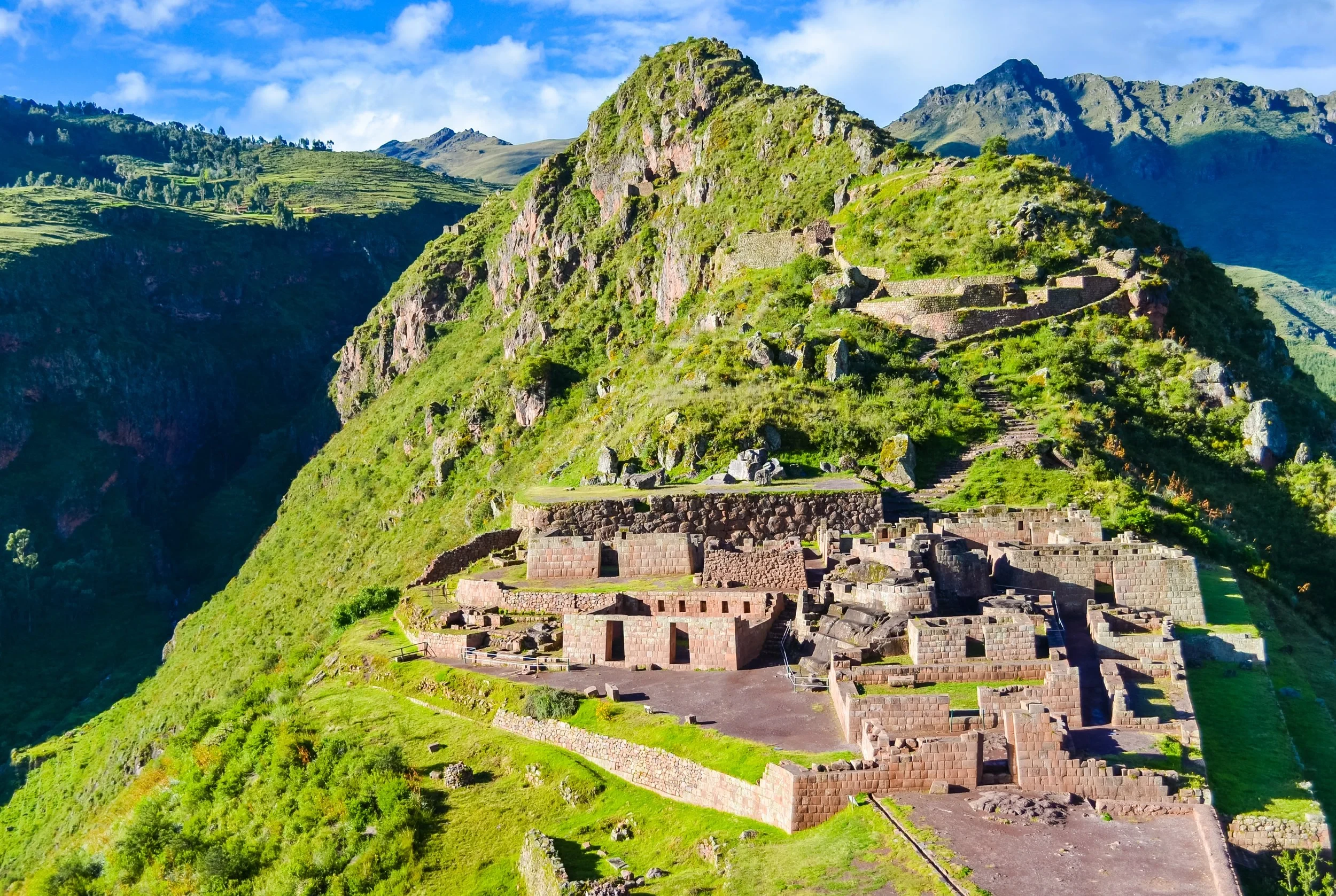
Begin your exploration in Pisac, a charming village known for its vibrant market and impressive Inca ruins. The Pisac Archaeological Park features terraces, ceremonial baths, and a temple complex with stunning views of the valley.
The village of Pisac is a quintessential Andean town, where traditional culture thrives amidst stunning natural beauty. The Sunday market is a highlight, drawing visitors from around the world to browse its array of handicrafts, textiles, and local produce. Engaging with artisans and merchants provides an opportunity to learn about their craft and support the local economy.
The archaeological site of Pisac is perched on a hilltop, offering panoramic views of the surrounding valley. The site is known for its agricultural terraces, which exemplify the Incas’ mastery of farming in challenging terrains. Exploring the ruins, you’ll find fascinating structures like the Sun Temple and the Intihuatana, a ceremonial stone associated with astronomy.
Hiking to the Pisac ruins is an adventure in itself. The trail winds through breathtaking landscapes, with opportunities to spot local wildlife and unique flora. This journey provides a deeper connection to the land and a sense of accomplishment as you reach the summit and take in the expansive views.
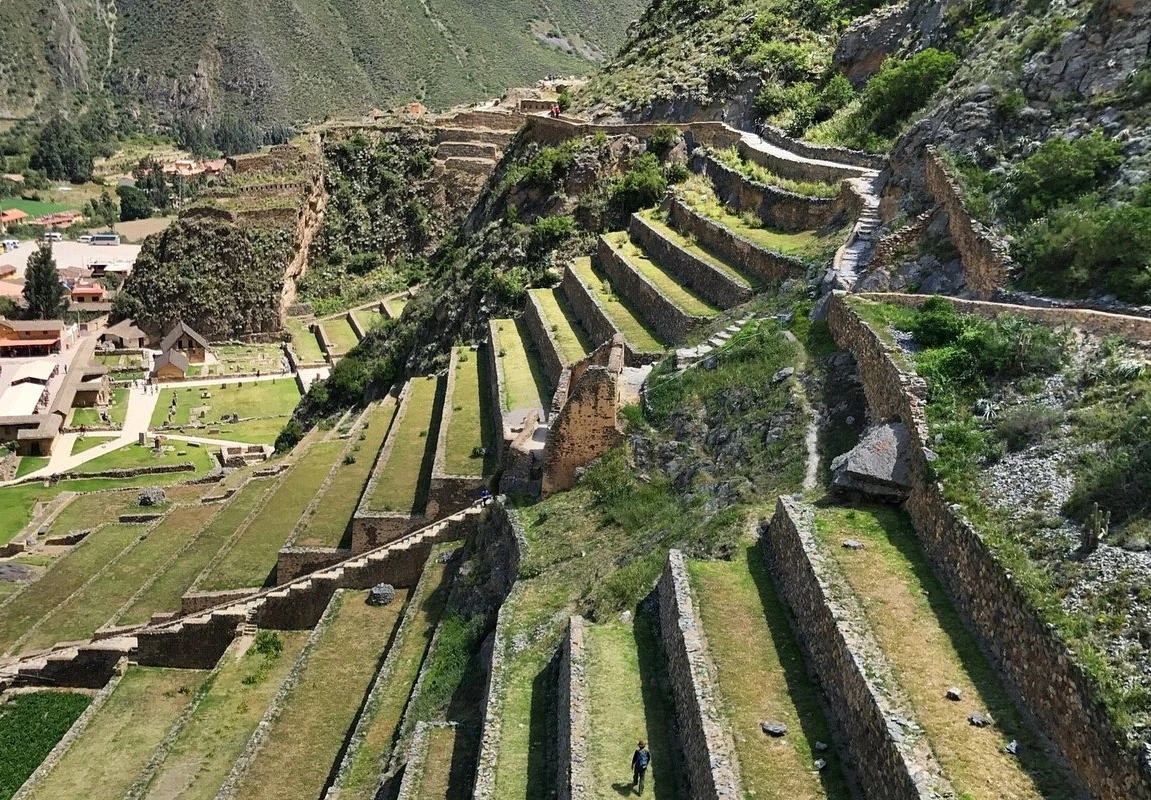
Next on your itinerary should be Ollantaytambo, a well-preserved Inca town that serves as a gateway to Machu Picchu. The massive stone terraces and fortress at Ollantaytambo are a testament to the architectural prowess of the Incas.
Ollantaytambo is one of the few places where you can see an entire Inca town still inhabited by locals. Walking through its cobblestone streets, you’ll find traditional adobe houses and intricate water channels that date back to the Inca era. This living history makes Ollantaytambo a unique destination, blending the past with the present.
The fortress of Ollantaytambo is a marvel of Inca engineering. The site is strategically located on a hillside, with terraces that rise majestically towards the sky. Climbing the steep stone steps, you’ll reach the Sun Temple, where massive stones fit together so precisely that even a sheet of paper cannot pass between them.
Beyond the fortress, Ollantaytambo offers a wealth of experiences. The town is a starting point for many treks, including the Inca Trail, and provides access to the remote communities of the Andean highlands. Engaging with the locals and exploring the surrounding countryside offers a glimpse into a way of life that has endured for centuries.
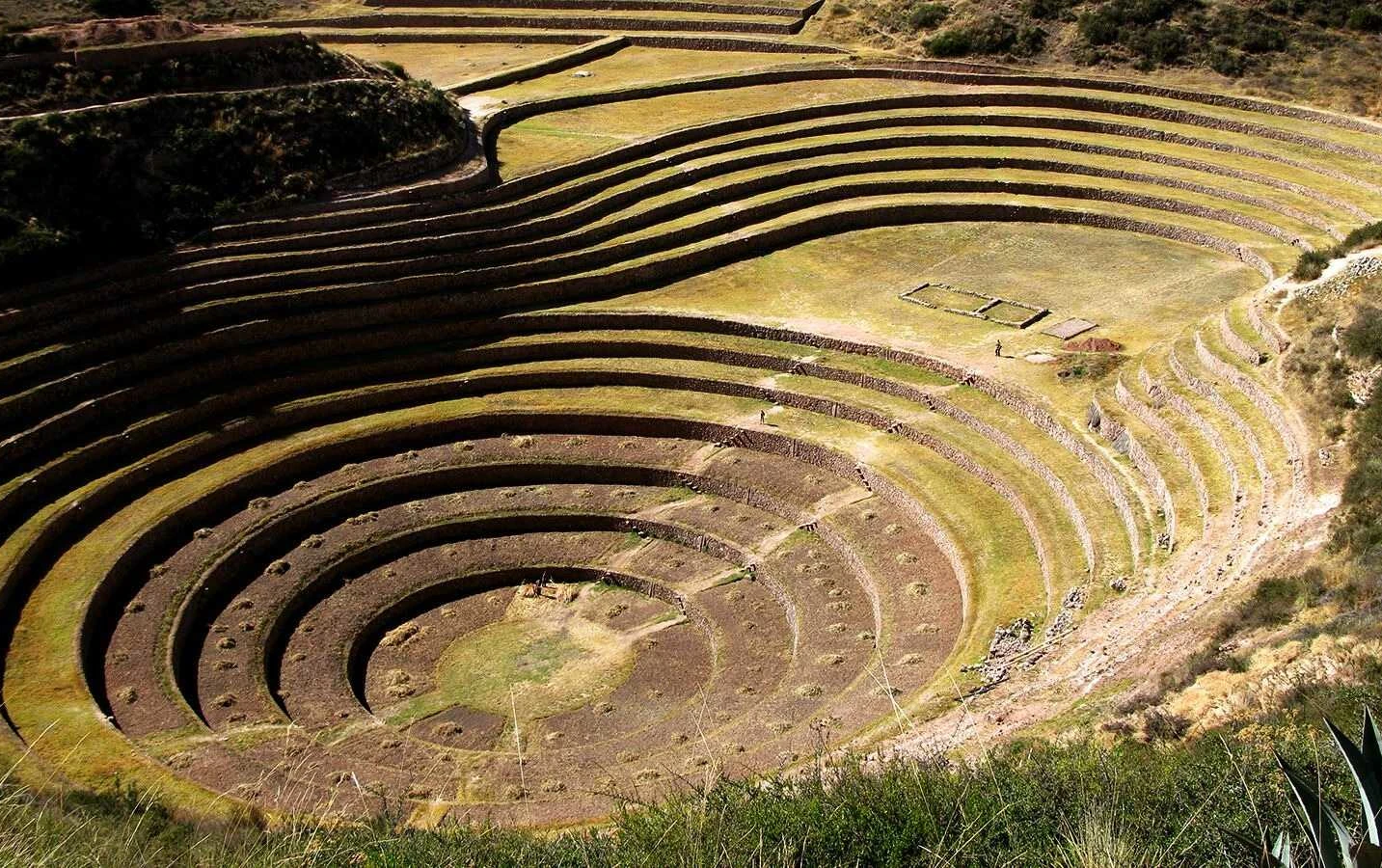
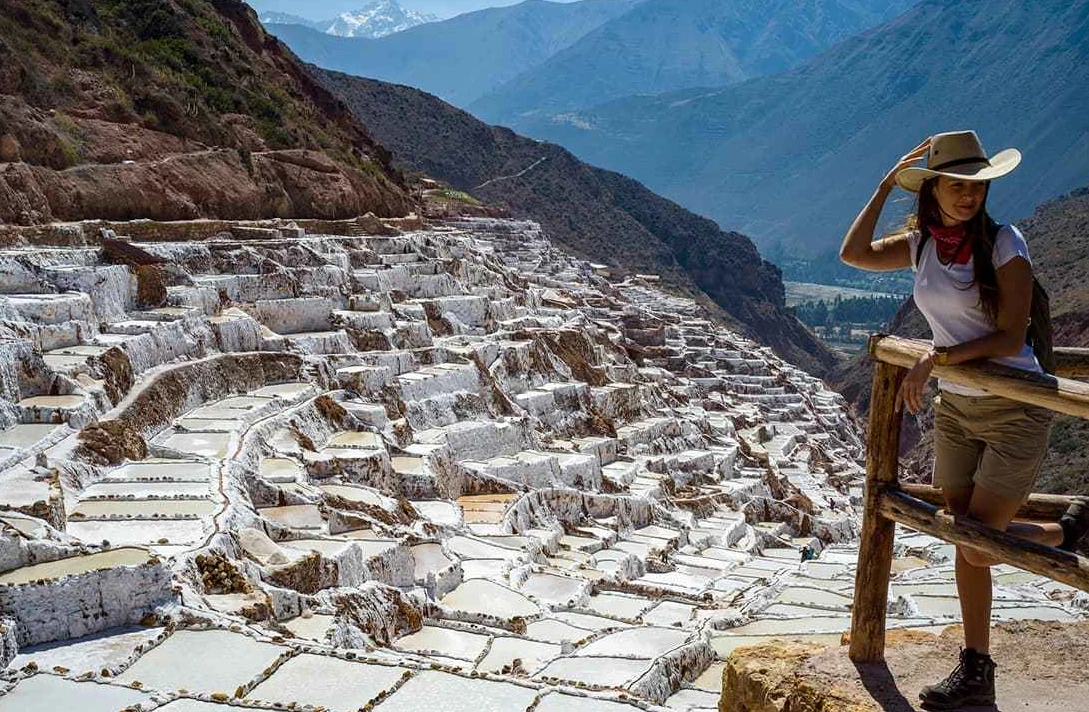
For a unique experience, visit the salt ponds of Maras and the circular terraces of Moray. Maras is an otherworldly sight, with thousands of salt pools cascading down a hillside. Moray, on the other hand, showcases the Incas’ innovative agricultural techniques, with concentric terraces used for crop experimentation.
The salt mines of Maras are a testament to the ingenuity of ancient Andean peoples. Harvested since pre-Inca times, the salt is produced through evaporation, with each family owning a set of pools. Visiting Maras offers insight into traditional salt production methods, and the striking landscape is a photographer’s dream.
Moray is an archaeological site unlike any other. The circular terraces descend into the earth, creating microclimates that the Incas used for agricultural experimentation. Walking among the terraces, you can appreciate the sophisticated understanding of agriculture and ecology that the Incas possessed.
A visit to Maras and Moray often includes interaction with the local community, who continue to practice ancient traditions. This provides a deeper appreciation for the connection between the land and its people, as well as an understanding of the sustainable practices that have allowed these cultures to thrive for generations.
No visit to the Sacred Valley is complete without experiencing the legendary Inca Trail. This iconic trek takes you through diverse landscapes, cloud forests, and ancient ruins, culminating in the breathtaking sight of Machu Picchu. The classic Inca Trail is a four-day journey, but shorter alternatives are also available for those with limited time.
The Inca Trail is a journey through history and nature, offering a unique perspective on the Andean world. The trail is meticulously preserved, with stone paths and stairways that wind through lush forests and past ancient ruins. Each step brings you closer to the legendary citadel of Machu Picchu, a testament to the grandeur of the Inca Empire.
The trek is challenging but rewarding, with stunning vistas at every turn. From the cloud forests teeming with exotic wildlife to the high mountain passes offering panoramic views, the trail is a feast for the senses. The camaraderie among trekkers and guides adds to the experience, creating lasting memories and friendships.
For those with time constraints, shorter treks such as the two-day Inca Trail provide a taste of the adventure without the commitment of the full journey. These alternatives still offer the opportunity to experience the beauty and history of the trail, culminating in a visit to Machu Picchu, where the magic of the Incas is palpable.
To make the most of your Sacred Valley adventure, consider these practical tips:
Local guides are invaluable resources, offering a wealth of knowledge about the Sacred Valley’s history, culture, and natural environment. They can tailor your experience to your interests, whether you’re keen on archaeology, wildlife, or local customs. A guide can also navigate language barriers and provide a deeper connection to the community.
Hiring a local guide supports sustainable tourism by contributing to the local economy. Guides often have personal connections to the places and people you’ll encounter, offering a perspective that enriches your journey. Their stories and expertise bring the valley to life, transforming your trip into a meaningful exploration.
The weather in the Sacred Valley can be unpredictable, with sunny days quickly turning into chilly evenings. Dressing in layers allows you to adjust to changing temperatures and stay comfortable throughout the day. A good pair of hiking boots is essential for exploring the rugged terrain, providing support and stability on uneven paths.
Sunscreen and a hat are must-haves, as the high altitude increases exposure to UV rays. A lightweight rain jacket is also advisable, especially if you’re visiting during the shoulder seasons. Packing smart ensures you’re prepared for any weather, allowing you to focus on enjoying your adventure.
Respecting local customs is integral to responsible travel. Learning a few words in Quechua, such as “hello” (rimaykullayki) and “thank you” (añay), can go a long way in building rapport with the locals. Understanding cultural norms, such as appropriate dress and behavior, shows respect and appreciation for the community.
Participation in local traditions, such as offering coca leaves or observing sacred ceremonies, can deepen your connection to the culture. Showing humility and an open mind fosters positive interactions, enriching your travel experience and leaving a positive impact on the communities you visit.
The Sacred Valley of Peru is a destination that captures the imagination and leaves a lasting impression. With its rich history, stunning landscapes, and vibrant culture, it offers an unforgettable journey into the heartland of the ancient Inca Empire. Whether you’re seeking relaxation, adventure, or cultural immersion, the Sacred Valley has it all. So pack your bags, and get ready to explore this captivating region with confidence and ease.
The allure of the Sacred Valley lies in its ability to transport you to a world where history and nature coexist in harmony. Each moment spent here is an opportunity to learn, grow, and connect with a heritage that has shaped the world in profound ways. As you explore, you’ll find yourself enchanted by the stories, landscapes, and people that define this remarkable region.
Happy travels, and may your journey through the Sacred Valley be filled with wonder and discovery! Let the spirit of the Incas guide your path as you uncover the treasures of this extraordinary land.