
The Inca Empire, known as Tawantinsuyu in Quechua, was one of the most sophisticated and expansive civilizations in pre-Columbian America. Covering parts of present-day Peru, Ecuador, Bolivia, Argentina, Chile, and Colombia, the empire’s influence is still evident in the stunning archaeological sites, intricate cultural traditions, and languages spoken today. This article delves into fascinating facts about the Inca Empire, focusing on its innovative agriculture, majestic architecture, and the captivating landscapes of the Sacred Valley and Macchu Picchu.
Cusco, often referred to as the “navel of the world,” was the capital of the Inca Empire. Nestled in the Andes Mountains. In fact Cusco was not only a political and administrative hub but also a cultural and religious center. The city’s design reflected the Incas’ advanced understanding of urban planning and architecture.
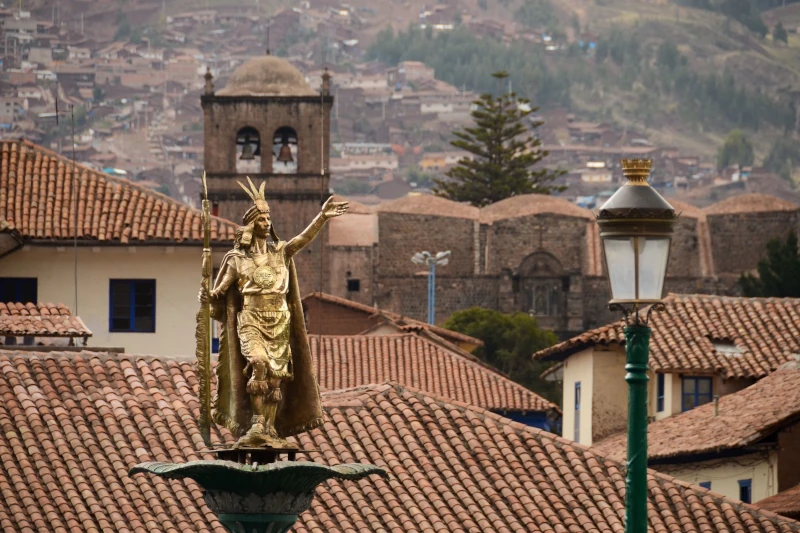
Cusco was considered sacred, with its streets and buildings designed to resemble the shape of a puma, an animal revered by the Incas. This design wasn’t merely aesthetic; it reflected the Incas’ deep spiritual beliefs and their connection to nature. In effect the sacredness of Cusco was further enhanced by the presence of religious structures like the Coricancha, which was once adorned with gold and served as a center of worship.
The architecture of Cusco showcased the Inca’s engineering prowess. Structures were built using precisely cut stones that fit together without mortar, demonstrating the Incas’ understanding of seismic stability. This technique ensured that many buildings survived earthquakes that have struck the region over the centuries. In fact the stonework of the Incas remains a subject of admiration and study for architects and historians alike.
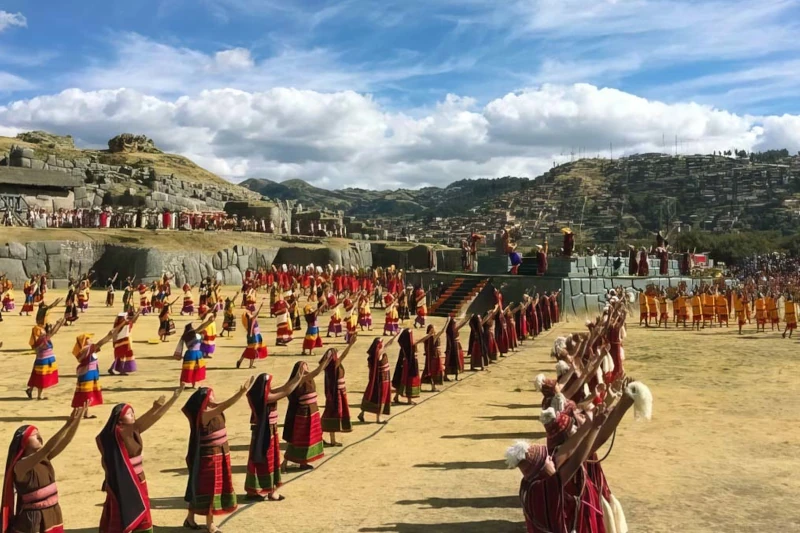
Cusco was not only a center of political power but also a melting pot of cultural activities. Festivals, rituals, and ceremonies were a regular part of life in the city, bringing together people from various parts of the empire. These events strengthened the cultural fabric of the empire and reinforced the authority of the Inca rulers. The city’s vibrant cultural life continues to attract visitors who are eager to experience its rich heritage.
The Incas were masterful agriculturalists, developing techniques that are still used today. They transformed challenging terrains into productive farmland, ensuring food security for their vast empire.
One of the most iconic agricultural practices of the Incas was terracing. By carving step-like fields into the mountainsides, they maximized arable land and reduced soil erosion. These terraces, often seen in the Sacred Valley, were ingeniously irrigated using advanced water management systems. The water channels were meticulously planned to distribute water evenly, highlighting the Incas’ understanding of hydraulic engineering.
The Incas cultivated a wide variety of crops, including potatoes, quinoa, and maize. They also practiced selective breeding to enhance crop yields and resistance to harsh environmental conditions. This agricultural diversity was crucial for sustaining the large population of the empire. The Incas’ ability to adapt to different ecological zones allowed them to cultivate crops at varying altitudes, securing a stable food supply throughout the empire.
The Incas’ approach to agriculture was not only innovative but also sustainable. They rotated crops and managed soil fertility with natural techniques, ensuring long-term productivity. Their farming methods minimized environmental impact and preserved the ecological balance. These sustainable practices are still relevant today, offering insights into how ancient wisdom can address modern agricultural challenges.
The Incas built an extensive network of roads and trails, facilitating communication and trade across the sprawling empire. These trails, known as Qhapaq Ñan, stretched over 25,000 miles and connected various regions, from coastal deserts to mountainous highlands.
One of the most famous trails is the Inca Trail to Machu Picchu. This ancient pathway offers breathtaking views of the Andean landscape and leads to the iconic Inca citadel. Trekking this trail is a journey through history, allowing travelers to walk in the footsteps of the Incas. Along the way, hikers encounter various archaeological sites that provide insights into the life and culture of the Inca civilization.
The construction of the Inca Trails was a remarkable engineering feat. The roads were built with durability in mind, often paved with stone and designed to withstand the harsh weather conditions of the Andes. Suspension bridges made of natural fibers spanned rivers and gorges, showcasing the Incas’ ingenuity. These roads were vital for maintaining the cohesion of the empire, enabling efficient movement of armies, goods, and information.
The Inca Trails facilitated not only trade but also cultural exchange. As people traveled along these routes, they shared ideas, technologies, and cultural practices, enriching the diversity of the empire. The trails served as conduits for cultural integration, helping to unify the vast territories under Inca rule. Today, they remain a symbol of connectivity and cultural heritage, attracting travelers from around the world.
Machu Picchu, often referred to as the “Lost City of the Incas,” is a testament to the architectural ingenuity of this ancient civilization. Perched high in the Andes, this UNESCO World Heritage site continues to captivate visitors with its mystery and beauty.
The precise stonework of Machu Picchu showcases the Incas’ mastery in construction. The site includes temples, terraces, and residential areas, all harmoniously integrated into the natural landscape. One of the most intriguing structures is the Intihuatana, a ritual stone believed to have been an astronomical clock. This integration of architecture with natural elements reflects the Incas’ respect for their environment and their ability to adapt to challenging terrains.
Machu Picchu remained hidden from the outside world until its rediscovery by Hiram Bingham in 1911. The site has since become a symbol of Inca heritage and a major tourist attraction. Efforts are ongoing to preserve this cultural treasure, with measures in place to protect it from the impact of Machu Picchu tour. Conservation strategies include regulating visitor numbers and implementing sustainable tourism practices to ensure the site’s longevity for future generations.
Despite extensive research, Machu Picchu continues to hold many mysteries. Scholars debate its original purpose, with theories ranging from a royal estate to a religious retreat. The lack of written records leaves much to speculation, adding to the site’s allure. This aura of mystery attracts historians and tourists alike, all eager to unravel the secrets of this enigmatic place.
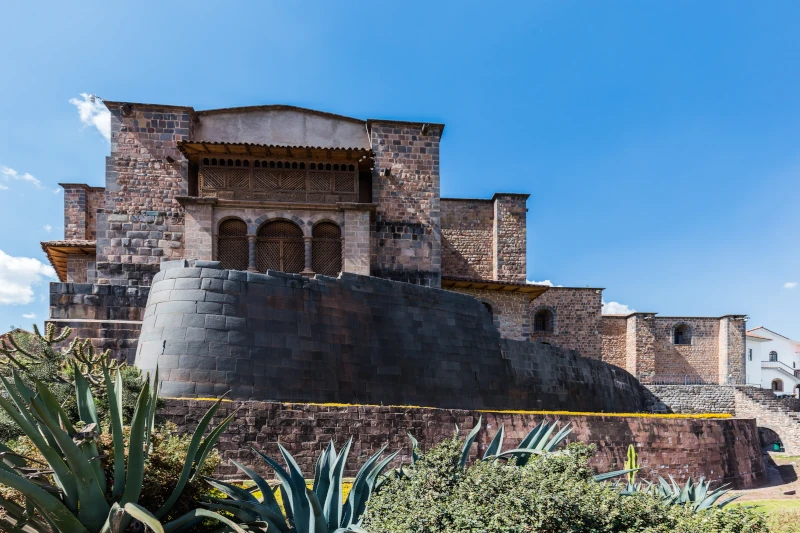
Inca architecture is renowned for its precision and durability. The Incas used a technique called ashlar masonry, fitting stones together without mortar, resulting in structures that have withstood centuries of earthquakes.
Religion played a significant role in Inca architecture. Many structures were aligned with astronomical events, reflecting the Incas’ deep connection with the cosmos. Temples and observatories were designed to capture solar and lunar alignments, demonstrating the Incas’ advanced understanding of astronomy. This integration of spiritual and practical considerations is evident in sites like Sacsayhuamán and Ollantaytambo, where architecture serves both religious and functional purposes.
The Incas employed advanced structural techniques to ensure the stability of their buildings. The trapezoidal shapes of doorways and windows helped distribute weight and resist seismic forces. Additionally, the use of double-jamb doorways and niches added to the structural integrity of their constructions. These techniques not only highlight the Incas’ engineering skills but also their ability to adapt to the dynamic environment of the Andes.
Inca architecture was a blend of aesthetic beauty and functional design. The use of natural materials and the harmonious integration of buildings into the landscape created a seamless connection between human structures and nature. This approach not only enhanced the visual appeal of Inca cities but also ensured that they were environmentally sustainable. The enduring legacy of Inca architecture continues to inspire modern architects who seek to combine beauty with functionality.
The Inca Empire remains a source of fascination and inspiration, with its achievements in agriculture, architecture, and culture leaving a lasting legacy. Exploring the remnants of this remarkable civilization offers a glimpse into a world where innovation and tradition coexisted harmoniously. As you journey through the Sacred Valley, traverse the Inca Trails, or stand amidst the Machu Picchu history, you are not just witnessing history but engaging with a narrative that continues to unfold. Whether you are a travel writer or an enthusiast of ancient cultures, the story of the Incas is one that captivates and enriches, inviting you to explore the depths of one of history’s most intriguing civilizations. The Inca Empire’s enduring influence on modern culture and its lessons in sustainability and innovation continue to resonate, offering insights into the potential of human ingenuity and resilience.