
Nestled in the heart of the Sacred Valley of the Incas, Pisac is a captivating town in Peru that enchants visitors with its unique blend of history, culture, and breathtaking landscapes. For those planning a journey to Cusco and the Sacred Valley, Pisac offers an unforgettable experience, rich with heritage and vibrant local life. This comprehensive guide provides everything you need to make the most of your visit to Pisac, from exploring its famous ruins to shopping for handcrafts at the bustling local market. Prepare to be enchanted by the charm and mystery of Pisac.
Pisac is conveniently located about 33 kilometers from Cusco, making it an accessible day trip or a stop on a longer Sacred Valley itinerary. Travelers can reach Pisac by taxi, bus, or private tour. Each mode of transportation offers its own set of advantages, depending on your budget and schedule.
Taking a taxi is the fastest and most convenient way to reach Pisac from Cusco. Taxis can be hired directly from Cusco city center or arranged through your accommodation. This option provides flexibility in terms of timing and allows for a comfortable, direct journey to Pisac. It’s advisable to agree on a fare before starting your journey.
For travelers on a budget, buses are a cost-effective option to reach Pisac. Buses depart from Cusco’s Puputi Street and take approximately an hour to reach Pisac. This option allows you to mingle with locals and enjoy scenic views along the way. However, buses can be crowded, especially during peak travel times, so plan accordingly.
If you prefer a more guided experience, consider booking a private tour to Pisac. These tours often include transportation, a knowledgeable guide, and sometimes even meals. This is an excellent option for those who wish to learn more about the region’s history and culture from an expert while enjoying a hassle-free travel experience.
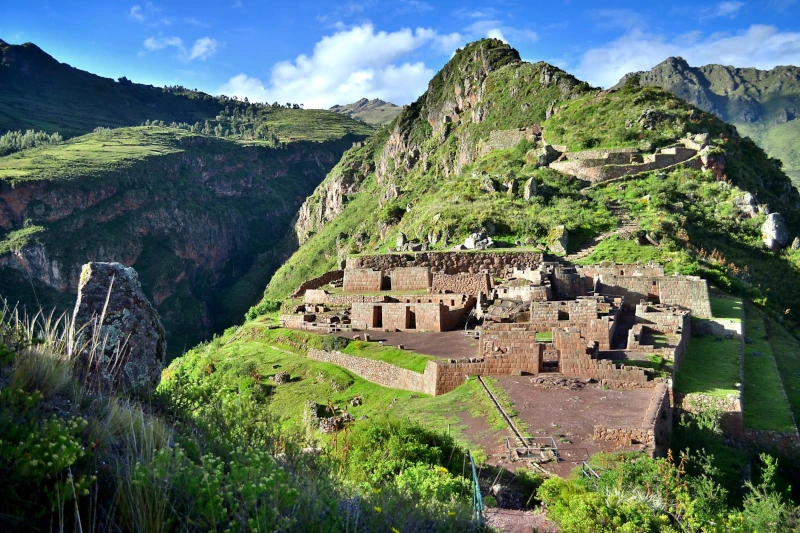
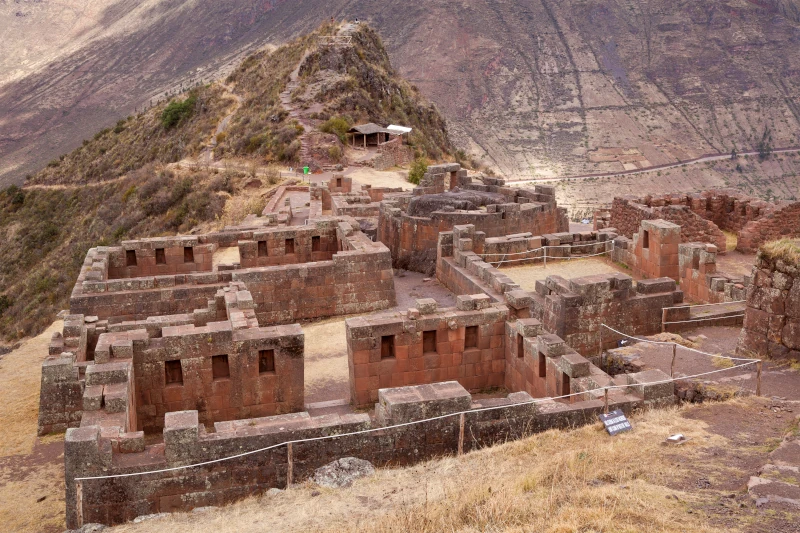
One of the main attractions in Pisac is its impressive archaeological site. These ruins are perched atop a hill overlooking the town and offer a glimpse into the advanced engineering and architectural skills of the Incas. The site is a testament to the Inca’s ingenuity and spiritual beliefs, providing a fascinating journey into the past.
The most rewarding way to explore the Pisac ruins is by hiking. The trails here range from easy to moderate difficulty, allowing visitors to enjoy panoramic views of the Sacred Valley while discovering ancient terraces, ceremonial baths, and temples. The hikes can vary in duration, so choose one that fits your fitness level and time constraints.
Before embarking on your hike, ensure you are adequately prepared. Wear comfortable hiking shoes and bring plenty of water, as the trails can be steep and challenging in places. It’s also wise to pack a light snack and sunscreen, as there are limited facilities at the site. Starting your hike early in the day can help you avoid the crowds and enjoy a more peaceful experience.
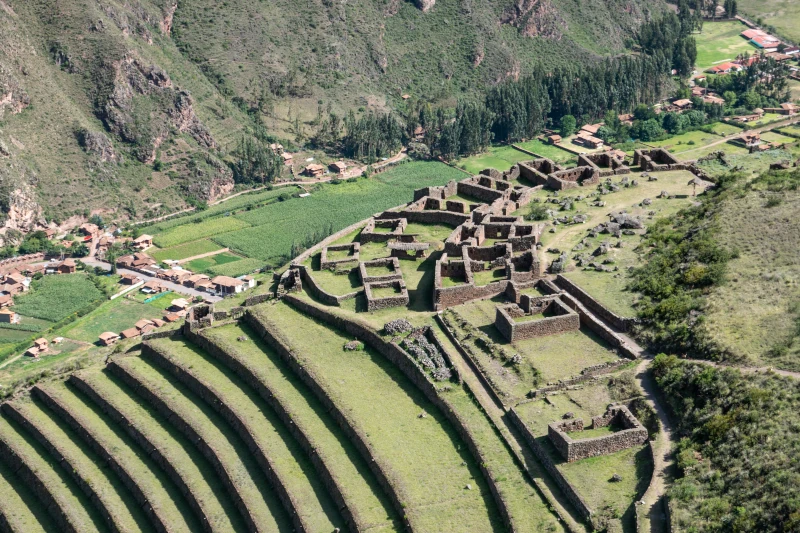
As you traverse the trails, you’ll encounter several notable features of the Pisac ruins. The agricultural terraces are a marvel of Inca engineering, demonstrating their advanced techniques for cultivating crops on steep hillsides. The ceremonial baths, known as “Inca baths,” showcase the intricate water management systems developed by the Incas. Don’t miss the Intihuatana, a ritual stone associated with astronomical observation.
For those interested in a deeper understanding of the ruins, consider hiring a local guide. Guides can provide valuable insights into the historical and cultural significance of the site, enhancing your appreciation of the Inca civilization. Many guides are available at the entrance, offering tours in multiple languages.
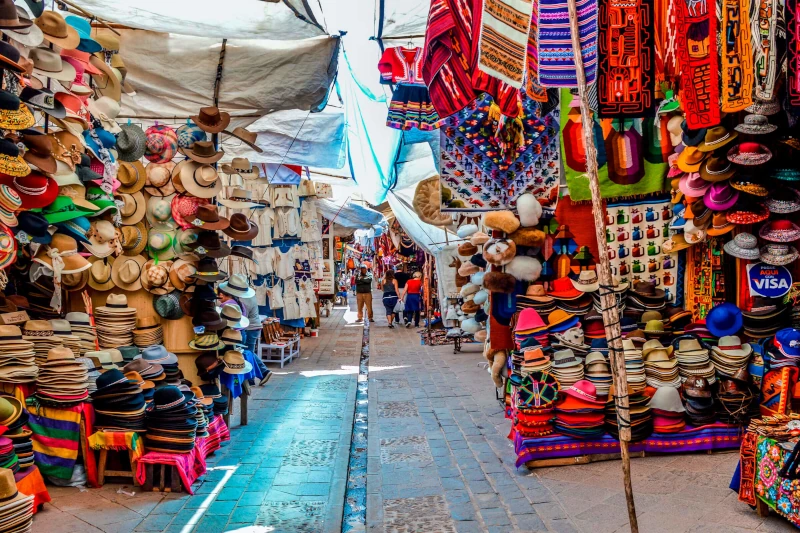
After exploring the ruins, head back to town to experience the Pisac market, one of the largest and most colorful markets in the region. Held on Sundays, Tuesdays, and Thursdays, the market is a bustling hub where locals and tourists alike gather to buy and sell goods. The market is a sensory feast, with vibrant colors, enticing aromas, and lively sounds.
The Pisac market is renowned for its wide array of handcrafts, including textiles, jewelry, and pottery. These items make perfect souvenirs and gifts, showcasing the intricate craftsmanship of the local artisans. Each piece tells a story, reflecting the traditions and culture of the Andean people.
Pisac is particularly famous for its textiles, which are woven using traditional techniques passed down through generations. Look for colorful blankets, scarves, and clothing, often made from alpaca wool. These textiles not only serve as beautiful mementos but also support local artisans and their families.
In addition to textiles, the market offers a variety of handcrafted jewelry and pottery. Silver jewelry adorned with semi-precious stones is a popular choice, while pottery often features traditional Inca designs. Be sure to take your time browsing and ask the artisans about their craft, as each piece is unique.
Don’t forget to haggle, it’s part of the shopping experience in Peru! Bargaining is expected and can be a fun way to interact with the vendors. Start by offering a price lower than what you’re willing to pay and work your way up. Remember to keep it friendly and respectful.
Pisac is more than just ruins and markets; it offers cultural insights into the traditions of the Andean people. The town and its surroundings are rich with opportunities to learn about the region’s history and cultural practices.
A short drive from Pisac, the town of Chinchero is known for its well-preserved Inca ruins and colonial church. Chinchero is also famous for its weaving cooperatives, where visitors can learn about traditional Andean textile techniques and purchase high-quality woven goods. The town’s scenic beauty and cultural richness make it a worthwhile addition to your Sacred Valley itinerary.
Chinchero is often referred to as the “birthplace of the rainbow” and holds significant Inca heritage. The town’s archaeological site features impressive stone walls, terraces, and a ceremonial center. A visit to Chinchero offers a glimpse into the spiritual and agricultural practices of the Incas.
The colonial church in Chinchero, built on the foundations of an Inca temple, is a remarkable example of syncretism between Inca and Spanish cultures. The church’s interior is adorned with beautiful murals and altars, showcasing a blend of religious influences. Guided tours are available to provide further context and insights.
Chinchero is home to several weaving cooperatives where you can witness the traditional process of textile production. Watch as skilled artisans demonstrate spinning, dyeing, and weaving techniques, often using natural dyes. Support these cooperatives by purchasing authentic, handmade textiles directly from the artisans.
While many travelers visit Pisac as a day trip, staying overnight allows you to experience the town’s serene atmosphere after the day-trippers have left. Pisac offers a range of accommodations, from budget hostels to charming boutique hotels. Staying overnight also gives you the chance to explore the town’s dining options, featuring both traditional Andean cuisine and international dishes.
Pisac caters to a variety of budgets and preferences when it comes to accommodation. Whether you’re seeking a cozy hostel or a luxurious boutique hotel, you’ll find plenty of options to suit your needs.
For travelers on a budget, Pisac has several hostels that provide affordable, comfortable lodging. These hostels often offer shared dormitories and communal spaces where you can meet fellow travelers. Some even provide breakfast and organized tours.
If you’re looking for a more upscale experience, consider staying at one of Pisac’s boutique hotels. These accommodations often feature unique decor, personalized service, and beautiful views of the surrounding landscape. Many boutique hotels also offer amenities such as spas and gourmet dining.
For an authentic cultural experience, consider staying in a homestay or guesthouse. These accommodations allow you to immerse yourself in local life and enjoy traditional Andean hospitality. Hosts often provide home-cooked meals and can offer insights into the community and its customs.
Pisac’s dining scene is a delightful mix of traditional Andean cuisine and international flavors. The town boasts a variety of eateries, from casual cafes to fine dining restaurants.
Indulge in traditional Andean dishes like quinoa soup, alpaca steak, and rocoto relleno (stuffed peppers). Many restaurants in Pisac use locally sourced ingredients, ensuring fresh and flavorful meals. Be sure to try chicha morada, a refreshing drink made from purple corn.
In addition to local cuisine, Pisac offers a range of international dining options. You’ll find everything from Italian pasta to Asian-inspired dishes, catering to diverse palates. Vegetarians and vegans will also find plenty of choices, as many restaurants offer plant-based options.
For a quick snack or coffee break, visit one of Pisac’s charming cafes or bakeries. Enjoy freshly baked pastries, artisanal breads, and locally roasted coffee. These cozy spots are perfect for relaxing and people-watching after a day of exploration.
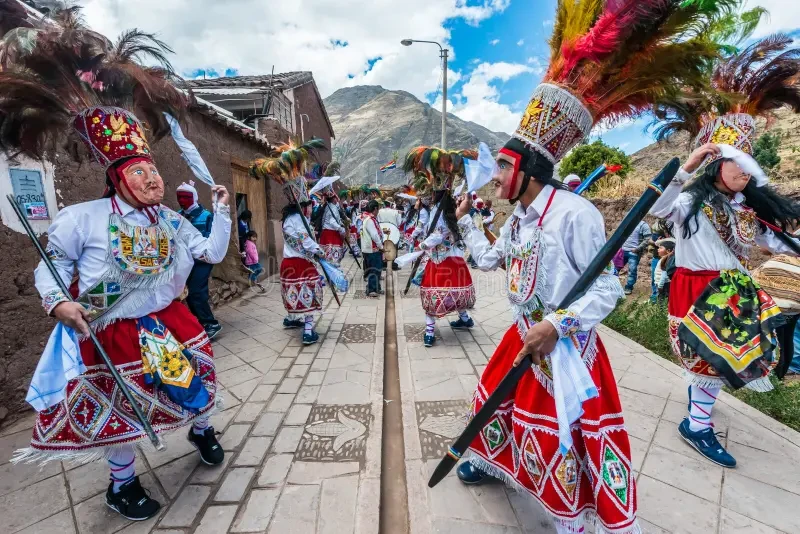
For many, Pisac serves as an introduction to the Sacred Valley tour before heading to Machu Picchu. This region is rich with history and natural beauty, offering numerous opportunities for adventure and exploration.
While in the Sacred Valley, consider visiting other notable sites such as Ollantaytambo, with its impressive fortress, and Moray, known for its unusual circular terraces. These sites, along with Pisac, provide a deeper understanding of the Inca civilization and its enduring legacy.
Ollantaytambo is one of the best-preserved Inca towns and features a remarkable fortress that played a significant role during the Inca resistance against Spanish conquest. The site offers stunning views of the valley and provides insight into Inca military strategy and urban planning.
Moray is an intriguing archaeological site known for its concentric circular terraces. These terraces are believed to have been an agricultural laboratory for the Incas, where they experimented with crop cultivation at different altitudes. Moray’s unique design and purpose continue to fascinate archaeologists and visitors alike.
Close to Moray, the Maras salt mines are another fascinating site. Thousands of small salt pools are carved into the mountainside, creating a stunning patchwork of colors and textures. The salt extraction process has been practiced here since pre-Inca times, and visitors can learn about this ancient tradition.
Visiting Pisac is an enriching experience that combines history, culture, and breathtaking landscapes. Whether you’re hiking the ancient trails, shopping at the vibrant market, or simply soaking in the beauty of the Sacred Valley, Pisac offers a glimpse into the heart of the Inca Empire. As you plan your trip to Cusco and beyond, make sure Pisac is on your itinerary for an unforgettable Peruvian adventure. With its rich heritage and welcoming atmosphere, Pisac promises to leave a lasting impression on every traveler.